Quick answer: The most common packing cube mistakes are overfilling, using cubes that are too large, and treating them as storage rather than a system. An overstuffed cube domes and stops stacking, a half-empty one lets clothes shift and crease, and a miscellaneous cube undoes the whole point of packing by category.
What this guide covers
Packing cubes are simple enough that people assume they cannot be done wrong. Then the case does not close and everyone blames the cubes.
Here are the seven mistakes I see most, roughly in order of how much space they cost you.
1. Overfilling until the cube domes
This is the big one, and it is counter-intuitive.
A cube stuffed to bursting bulges in the middle. Two bulging cubes stacked together touch only at their high points, and the air around the edges is dead space. You have packed more into each cube and less into the case.
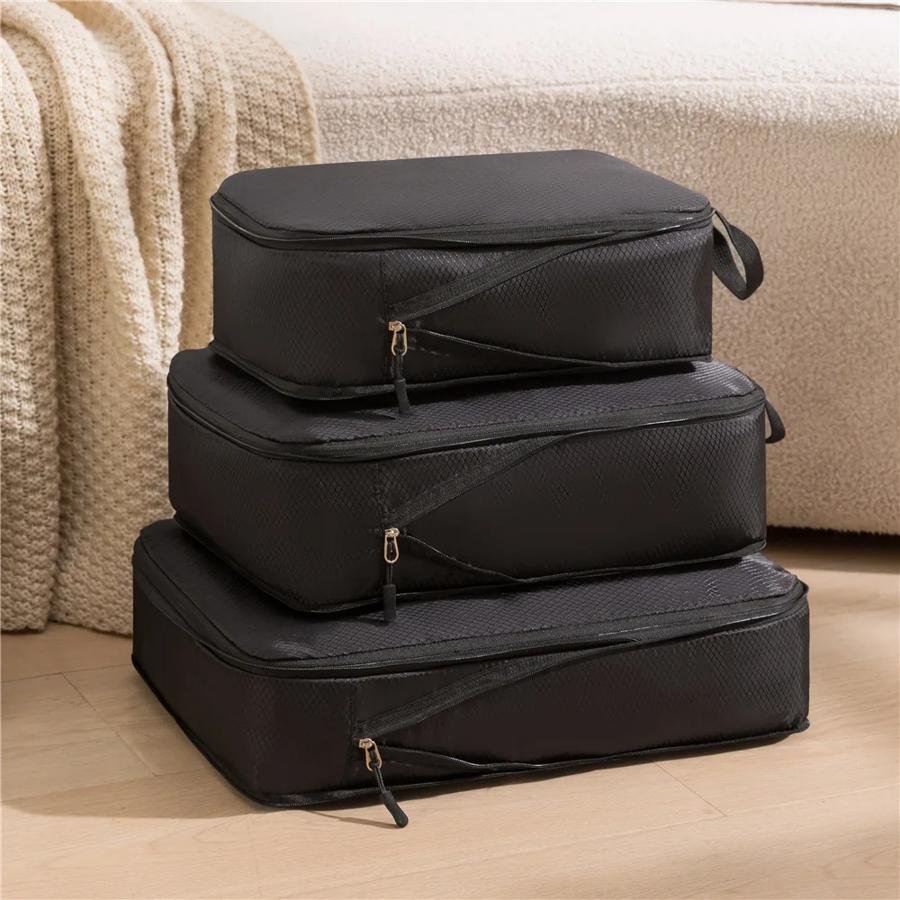
Pack to about ninety per cent. Firm, square, no doming. A case of square cubes tessellates; a case of domed ones does not.
2. Buying large when you needed small
Almost everyone over-buys large cubes.
A large cube is brilliant for jumpers and trousers and useless for socks, because a half-full large cube is just a bag with room to slosh about. Small cubes are what fill the awkward gaps down the sides of a case.
If you are building a set, get the medium first, the small second, and the large only if you check a bag. There is more on this in how many packing cubes you actually need, and you can shop purely by size.
3. The miscellaneous cube
The moment one cube becomes "bits", the system is dead.
You will open it four times a trip looking for a charger, and every time you will disturb everything else. Give every cube one obvious job, even if the job is broad. Tops. Bottoms. Smalls. Tech.
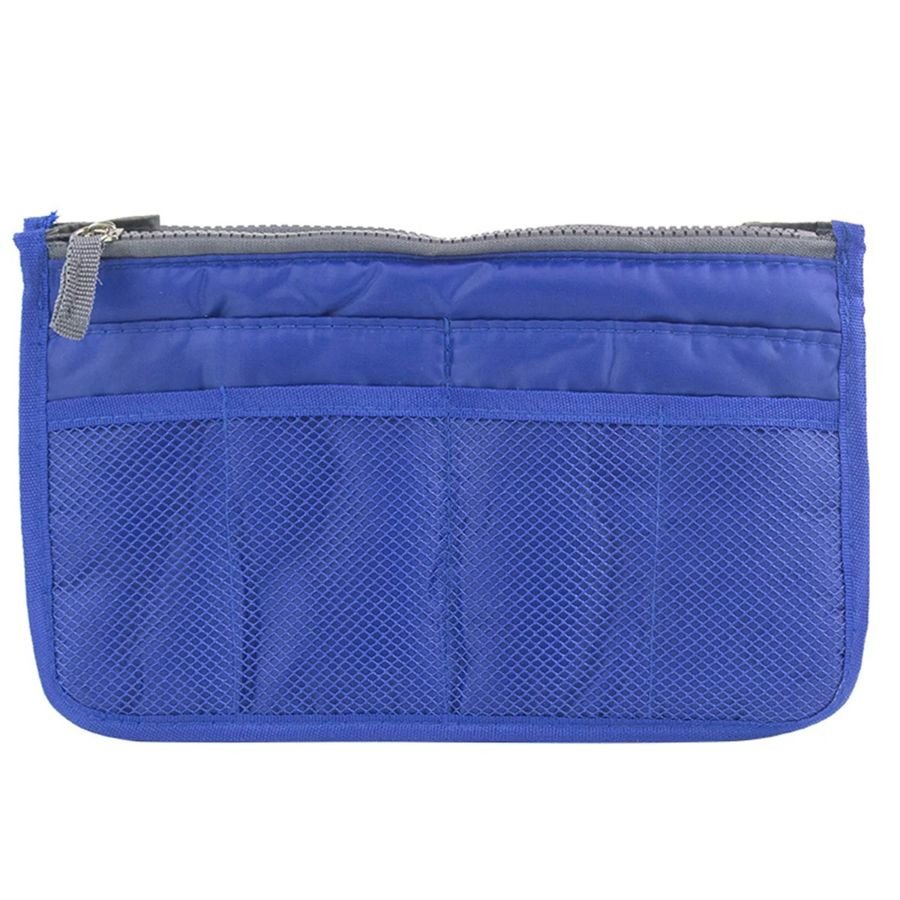
Tech in particular deserves its own home — a proper tech and cable organiser stops chargers migrating into a clothing cube and leaving oil marks on a white shirt.
4. Loading the case in the wrong order
Cubes go in like bricks, not like shopping.
Heaviest and densest at the bottom, near the wheels, so the case pulls straight instead of tipping. Lighter cubes on top. Soft items pushed into the gaps around the edges so nothing shifts in transit.
Get this wrong and the case is both harder to pull and more creased on arrival. The full method is in how to pack a suitcase with packing cubes, and backpacks follow completely different rules in how to pack a backpack.
5. Rolling absolutely everything
Rolling became gospel somewhere around 2015 and it is only half right.
Roll soft casual things — t-shirts, jerseys, gym kit. Fold anything structured, because a rolled shirt collar arrives looking like it has been slept in. Most cubes should be a mix, with the folded smart items lying flat on top of the rolled soft ones.
The full breakdown is in fold or roll clothes in packing cubes.
6. Using compression when you needed organisation
Compression cubes are excellent and they are not a default.
They shine on soft bulky things: jumpers, fleeces, towels, puffer jackets, and the return leg when everything is worn and refuses to go back in. They are the wrong tool for shirts, dresses and anything you want crease-free.
Buying a full set of compression cubes and using them for your entire wardrobe means arriving with a suitcase of very efficiently packed creases. See the compression range, and the honest numbers on how much space they save.
7. Forgetting the return journey
Everyone packs beautifully on the way out and shoves everything in on the way home.
Two small habits fix it. Keep one cube deliberately half-empty on the outbound leg so there is room for what you buy. And take a separate bag for dirty laundry, so worn clothes never mix with clean ones — a drawstring bag or a spare cube does the job.
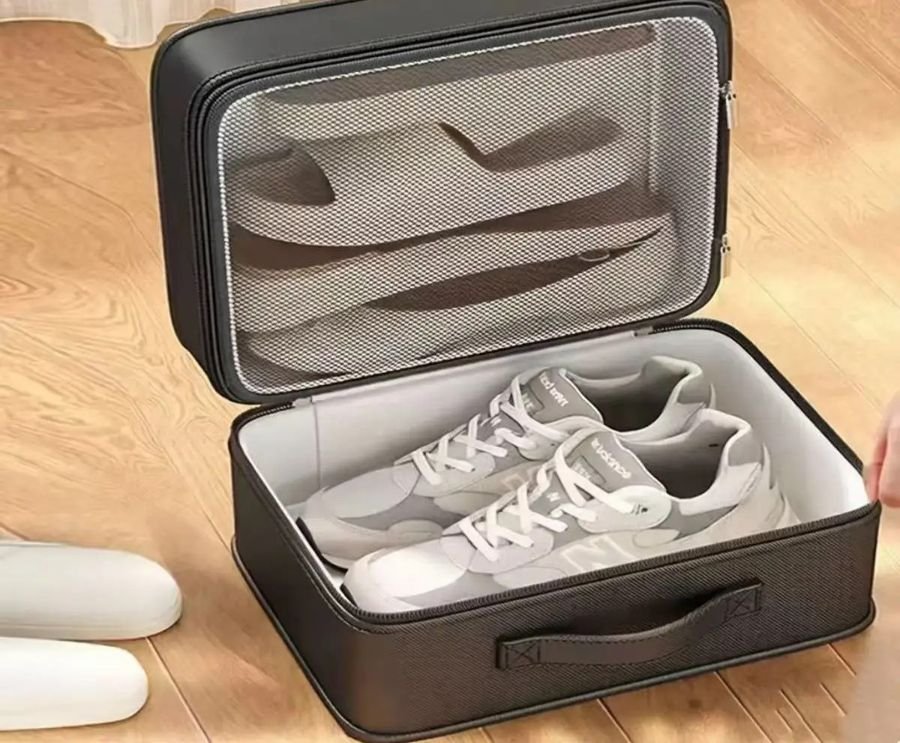
If you are coming home with more than you left with, this is where compression earns its place, and where a shoe bag stops sandy trainers ruining everything else.
The two-minute fix
If you only change one thing after reading this, change the fill level.
Ninety per cent, square, no doming, heaviest by the wheels. That single habit recovers more space than any product you can buy, and it costs nothing.
Once that is second nature, the rest is refinement: the right sizes from the packing cubes range, a matched set so the pieces stack together, and a wash bag so liquids never travel next to clothes.
The short version
- Overfilling causes doming, and domed cubes waste the space between them.
- Pack to ninety per cent: firm and square, never bulging.
- Small cubes fill the gaps a large cube physically cannot reach.
- A "miscellaneous" cube destroys the system – every cube needs one job.
- Keep one cube half-empty on the way out for whatever you buy.
Frequently asked questions
Why do my packing cubes not fit in my suitcase?
Almost always because they are overfilled. A stuffed cube domes in the middle, so stacked cubes touch only at their high points and waste the air around the edges. Pack to about ninety per cent and they tessellate instead.
Should packing cubes be packed tight or loose?
Firm but not stuffed, roughly ninety per cent full. Too loose and clothes slide around and crease in transit. Too tight and the cube bulges, stops stacking flat and forces fabric into folds it did not choose.
Do packing cubes actually waste space?
They can, if you use the wrong sizes or overfill them. Used properly they are close to space-neutral and hugely better organised. If you need genuine volume back rather than order, that is what compression cubes are for.
What is the biggest packing cube mistake?
Creating a "miscellaneous" cube. Once one cube holds odds and ends you will open it repeatedly and disturb everything around it, which puts you straight back to rummaging through the whole case.
How do I pack dirty clothes on the way home?
Keep them separate in a drawstring bag or a dedicated spare cube so worn clothes never mix with clean ones. Leaving one cube half-empty on the outbound trip also gives you room for anything you buy while away.