Quick answer: Organising cubes by outfit means each cube holds a complete look rather than a category. It works brilliantly for children, events and short structured trips, and it wastes space on longer holidays, because locking every garment into one combination forces you to carry more of them than a capsule would.
What this guide covers
The standard advice is to give each cube a category: tops, bottoms, underwear. That is right most of the time. It is not right all of the time.
What outfit packing is
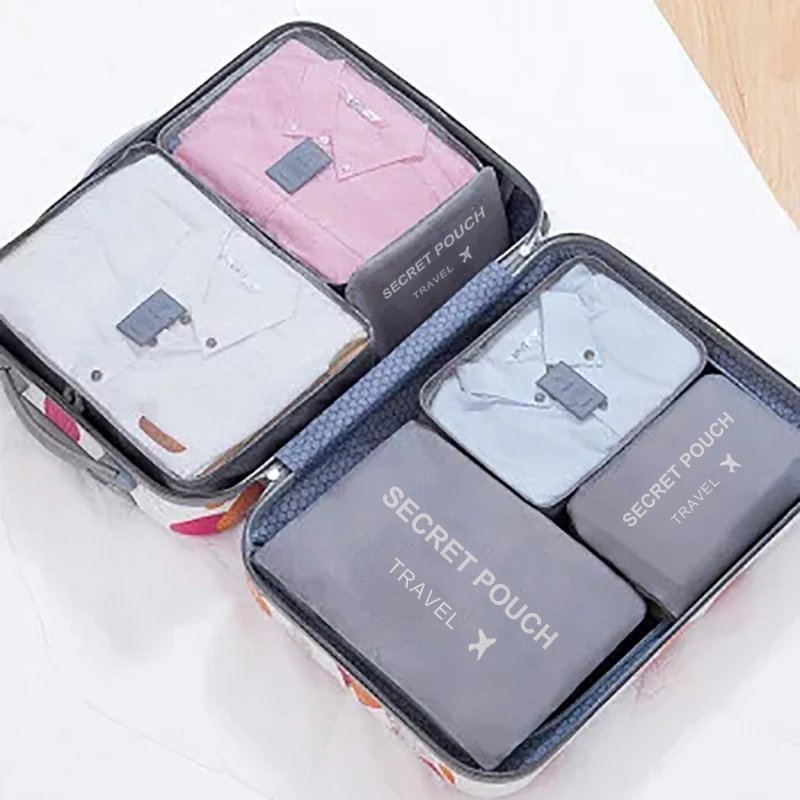
Instead of a cube of tops, you pack a cube containing everything for one day or one occasion – top, bottom, underwear, socks, sometimes accessories. You take a cube out and you are dressed.
It removes the decision at the destination entirely, which is the whole appeal.
When it genuinely works
- Children. Dressing a child while doing three other things is one decision instead of four – see the kids post.
- Events. A wedding outfit, complete with the right underwear and shoes, in one cube nobody can raid.
- Short structured trips. Three days, three known occasions.
- Anyone who hates deciding. A legitimate reason on its own.
Why it wastes space on longer trips
Outfit packing forces every garment into exactly one combination. A shirt that would have worked with three different trousers now belongs to one outfit, so you pack more shirts.
On a week away that is easily a third more clothing for the same number of days. Category packing with a capsule – where five tops go with two bottoms – is simply more efficient, which is why the complete guide recommends it as the default.
The hybrid most people should use
Pack by category, then pull out the exceptions. Categories for the bulk of your clothes in standard cubes, plus one dedicated outfit cube for anything with a fixed occasion – the wedding, the meeting, the first night.
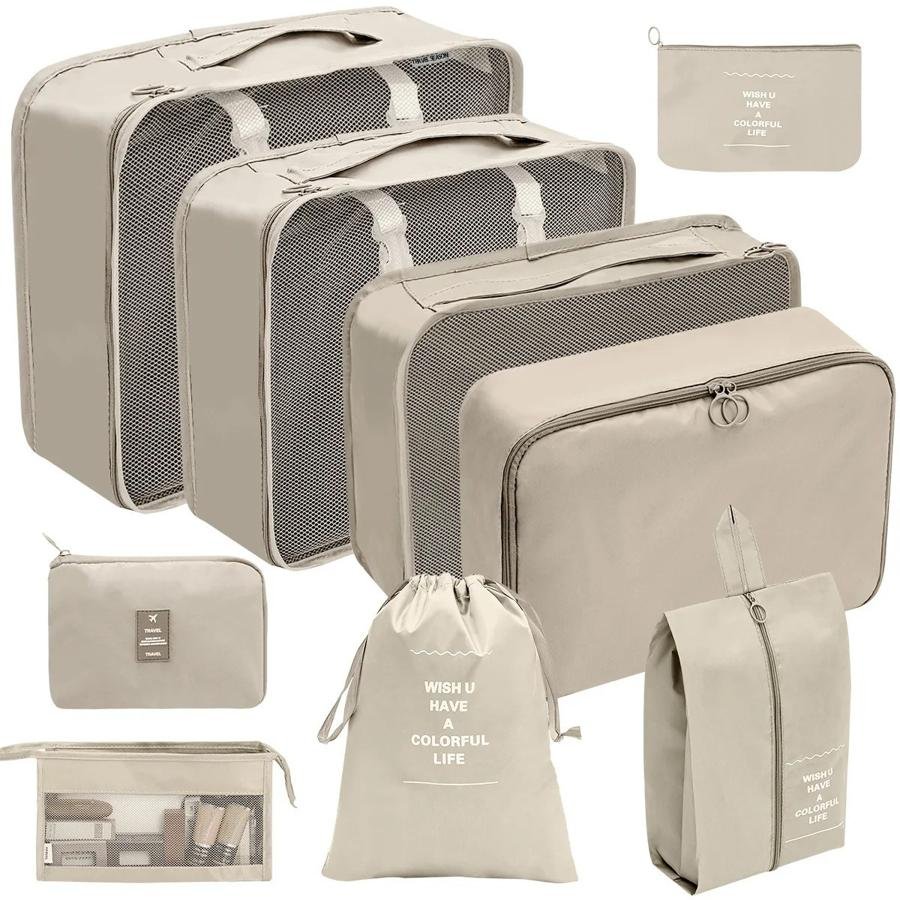
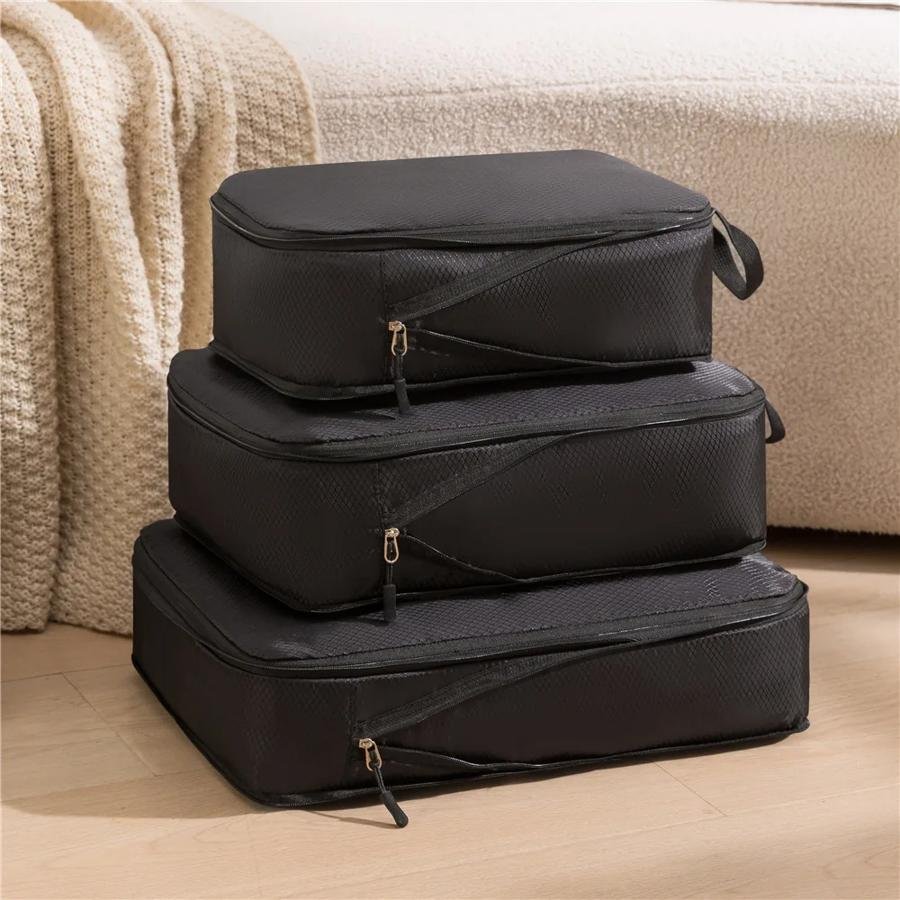
You keep the efficiency of a capsule and remove the one decision that would have been stressful. A graded set makes this easy because the odd sizes suit the odd jobs, and the city break list shows the capsule it sits on top of.
The short version
- Outfit packing puts a complete look in each cube, so getting dressed is one decision.
- It works best for children, events and short trips with known occasions.
- On longer trips it wastes space, because each garment gets locked into a single combination.
- Category packing with a capsule is more efficient: five tops and two bottoms make ten outfits.
- The hybrid wins – categories for the bulk, one dedicated outfit cube for fixed occasions.
Frequently asked questions
Should I pack by outfit or by category?
By category for most trips, because it lets clothes combine and you carry fewer of them. Pack by outfit for children, for events with a fixed dress code, and for short trips where every day is already planned.
How do you pack an outfit in a packing cube?
Lay the bottom garment flat, put the top on it, add underwear and socks in the middle, then fold or roll the whole thing together as one bundle. The point is that it comes out as a unit.
Does outfit packing use more space?
On trips longer than about three days, yes - typically around a third more clothing, because each garment can only be worn in one combination. On short trips the difference is negligible.
What is the best way to pack for a wedding abroad?
Give the wedding outfit its own cube, complete with the right underwear, and pack it flat at the top of the case so it arrives uncreased. Everything else in the trip can be packed by category as normal.
Can you mix outfit and category packing?
Yes, and that is what most experienced packers actually do. Categories for the everyday clothes, plus one or two outfit cubes for anything tied to a specific occasion where you do not want to be making decisions.