Quick answer: Roll soft, casual clothes like t-shirts, jerseys and worn-in jeans, because rolling squeezes out air and resists deep creases. Fold structured items like shirts, linen and smart trousers flat so they keep their shape. Most cubes end up a sensible mix of both, and that is correct rather than lazy.
What this guide covers
People get surprisingly heated about this one. I have watched two colleagues argue about it in a crew room at six in the morning, which tells you something about how airline staff spend their time.
The truthful answer is that both camps are right, and they are arguing about different clothes.
Roll the soft stuff
Rolling works when a garment has no structure to lose.
T-shirts, jerseys, pyjamas, leggings, gym kit, jeans that already look lived-in. Roll them firmly, like a sleeping bag rather than a croissant, and two things happen. Air gets squeezed out, and the fabric never develops the sharp fold line that a stack creates.
You also get to see everything. Rolled items stand on end in a cube like files in a drawer, so you can read the whole contents at a glance instead of lifting three layers to find the green top.
That visibility is half of why the system works at all.
Fold the structured stuff
Folding wins the moment a garment has a shape you want to keep.
Shirts with collars. Linen anything. Smart trousers with a crease down the front. Blazers, dresses that hang properly, anything you plan to wear to a meeting or a wedding.
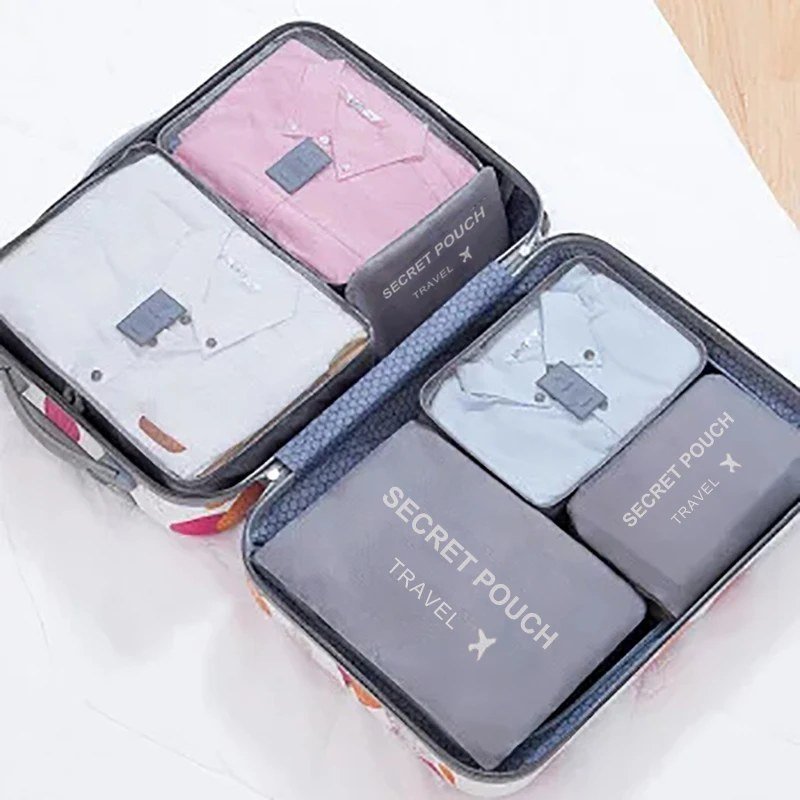
Fold these flat, lay them on top of the rolled items, and close the lid. A firmly packed cube acts as a gentle press — the clothes hold the shape you gave them because nothing can shift.
That is the point most people miss about cubes. They are not just tidiers. They are mild, well-behaved luggage presses.
The quick reference
| Garment | Method | Why |
|---|---|---|
| T-shirts, casual tops | Roll | Packs tighter, resists the hard crease |
| Shirts, linen, smart trousers | Fold flat | Keeps the collar and the crease |
| Underwear, socks, swimwear | Roll or bundle | Fills gaps, quick to grab |
| Jeans, jumpers, hoodies | Roll or compress | Reclaims the most room |
| Dresses, blazers | Fold with tissue at the crease | Softens the fold line |
| Knitwear | Fold, never hang | Rolling stretches the shoulders |
The bit nobody mentions: how full the cube is
You can roll perfectly and still open your case to a bag of creases, because creasing is mostly about movement rather than method.
A half-empty cube lets clothes slide around for four hours in a hold. An overstuffed one forces fabric into folds it did not choose. Both come out worse than a cube packed to roughly ninety per cent, which is firm enough that nothing moves and loose enough that nothing is crushed.
If you remember one thing from this article, make it that. Ninety per cent, and square.
What about the bundle method?
There is a third option that the one-bag community swears by, and it is worth knowing.
Bundle packing means wrapping every garment around a soft central core — usually a pouch of underwear — in layers, largest and most crease-prone first. Nothing gets a hard fold because everything curves.
It genuinely produces the fewest creases of any method I have tried. It is also fiddly, and you have to unwrap the whole bundle to reach anything, which defeats the point of cubes. I use it for a wedding, never for a holiday.
Rolling myths worth ignoring
A couple of claims follow this topic around and neither survives contact with a suitcase.
"Rolling saves space." Slightly, on soft items, by removing air. But it will not shrink a wardrobe. If you need real volume back, that is what a compression cube does, and our honest guide to compression has the numbers.
"Rolling stops all creases." It stops the hard linear crease of a folded stack. It happily creates soft rumples of its own. For a shirt you actually need to look good in, folding flat under a firm lid still wins.
A method that survives a real packing night
Here is what I actually do, in order, on the evening before a flight.
- Lay out everything on the bed, then remove two things. There are always two things.
- Roll all the soft items and stand them upright in the medium cube.
- Fold the smart items flat and lay them on top of the rolled ones.
- Roll socks and underwear into the small cube; chargers and documents in a flat pouch.
- Zip each cube while pressing gently down. If it bulges, take one item out.
- Load into the case like bricks, heaviest by the wheels, per the suitcase loading guide.
Six steps, about fifteen minutes, and no arguments in the crew room.
If you are packing into a rucksack rather than a case, the order changes because weight placement matters more than tidiness — that is covered in how to pack a backpack with cubes. And if you are working to a strict cabin allowance, start with the carry-on guide instead.
The short version
- Roll soft casual clothes, fold anything with a collar or a crease worth keeping.
- Rolled items stand upright like files, so you can see the whole cube at a glance.
- Pack each cube to about ninety per cent – movement causes more creases than method does.
- Bundle packing creases least but is too fiddly for anything except a wedding outfit.
- Rolling saves a little space; only compression saves a lot.
Frequently asked questions
Should I roll or fold clothes in packing cubes?
Both, depending on the garment. Roll soft casual items like t-shirts, jerseys and worn-in jeans because rolling squeezes out air and resists deep creases. Fold structured items like shirts, linen and smart trousers flat so they keep their shape.
Does rolling clothes really save space?
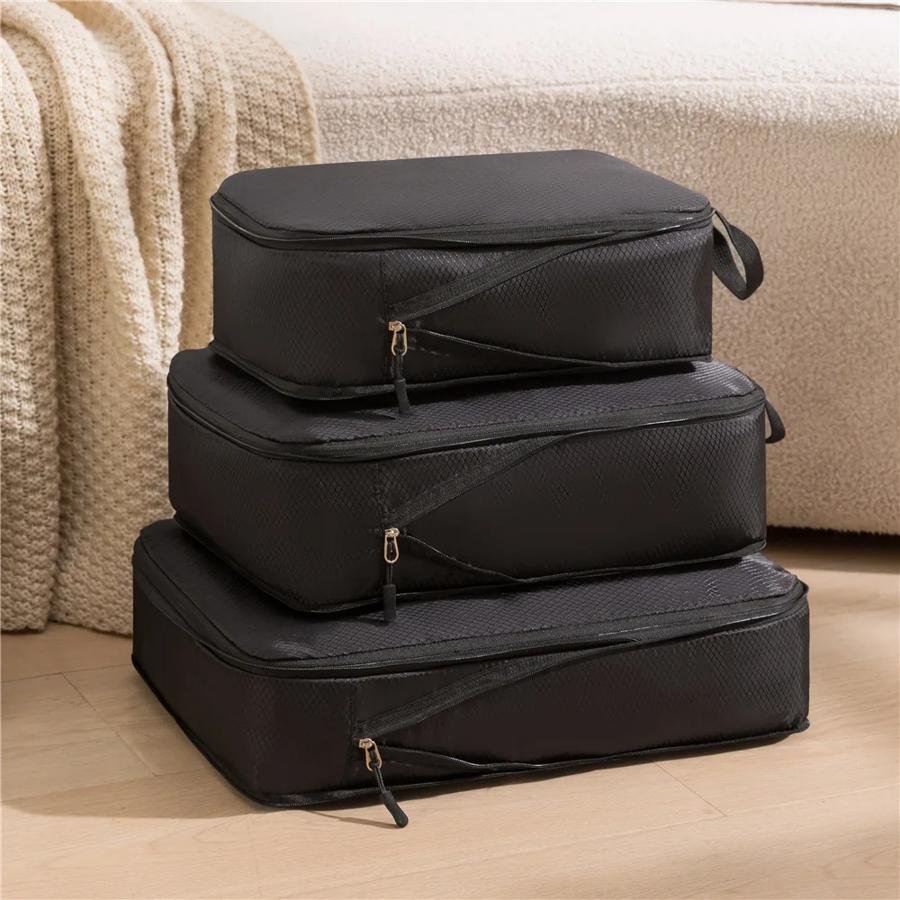
A little, on soft items, because rolling forces trapped air out. It will not meaningfully shrink a wardrobe though. If space rather than tidiness is the problem, a compression cube with a second zip is the tool that actually reclaims volume.
How do I stop clothes creasing in a packing cube?
Pack the cube to about ninety per cent full so nothing can slide around in transit, fold structured items flat on top of rolled soft ones, and lay tissue paper along the fold line of anything smart. Movement causes more creases than folding does.
What is the bundle packing method?
You wrap garments in layers around a soft central core, largest and most crease-prone first, so nothing takes a hard fold. It creases least of any method, but you have to unwrap everything to reach one item, which defeats the purpose of cubes.
Should knitwear be rolled or folded?
Folded, always. Rolling a heavy jumper stretches the shoulders and the knit never quite recovers. Fold knitwear flat, keep it in a large cube where it is not fighting for room, and never put it on a hanger in a wardrobe organiser.