Quick answer: Bundle packing wraps every garment around a soft central core in one continuous layer, so nothing gets a hard crease. It is the least creasing method there is, but you have to unwrap the whole bundle to reach anything, which is why most people use it selectively.
What this guide covers
There are three ways to pack clothes: fold, roll, or bundle. Almost everyone does the first two and almost nobody has heard of the third, which is a shame because it is the best of them for creasing.
What bundling actually is
You start with a soft core - a packing cube full of underwear and socks works perfectly - and wrap garments around it one at a time, largest and most crease-prone first.
Lay a jacket face down, place the core on it, fold the sleeves and body around. Then a pair of trousers across the other axis, wrapped the same way. Then shirts, then t-shirts, each one wrapping the growing parcel. You end up with a single soft bundle where no garment has a sharp fold anywhere along it.
Why it creases less
Creases come from hard folds under pressure. Folding creates them deliberately; rolling creates lots of soft ones. Bundling creates almost none, because every garment follows a wide curve around the core rather than being folded against itself.
For a suit, a linen shirt or anything you have to arrive in, it is noticeably better than the alternatives. Compare with fold or roll, which covers the other two methods properly.
The catch
A bundle is all or nothing. Take one shirt out and you have unwrapped the whole thing, and rewrapping it in a hotel room is a ten-minute job you will do once before giving up.
So it suits a specific trip: one destination, arriving and unpacking properly, where looking uncreased matters. It is a poor fit for moving on every couple of days – for that, cubes and category packing win easily. The business trip list is where bundling earns its place.
Bundling with cubes
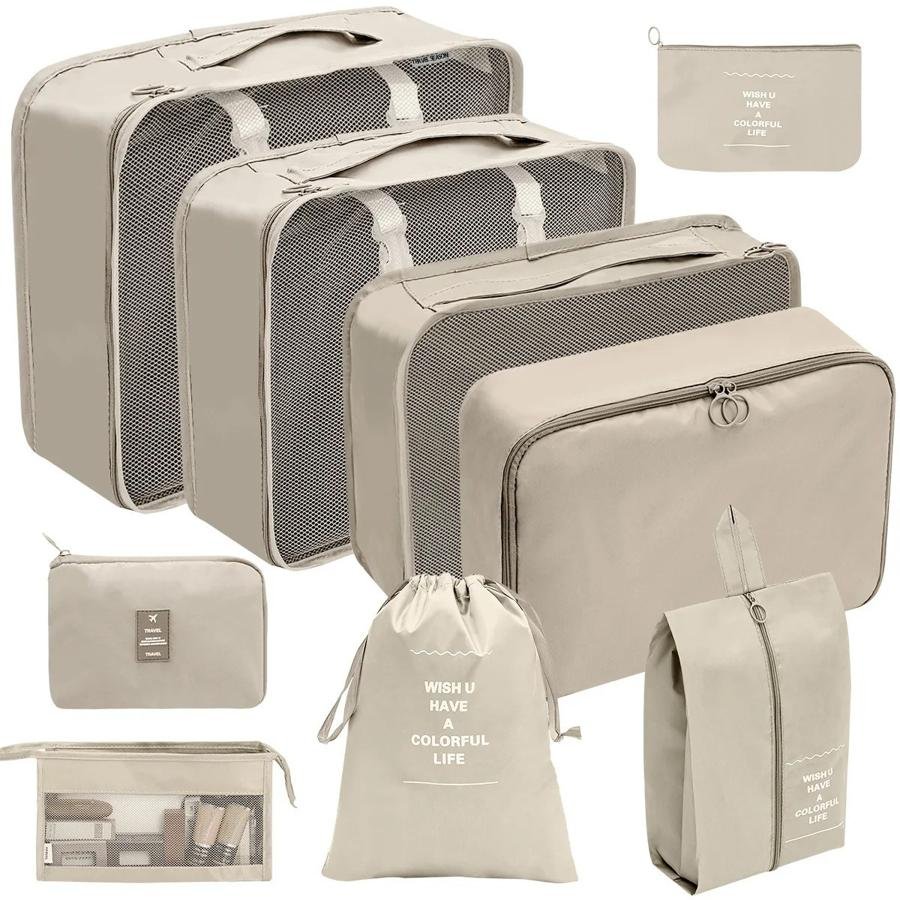
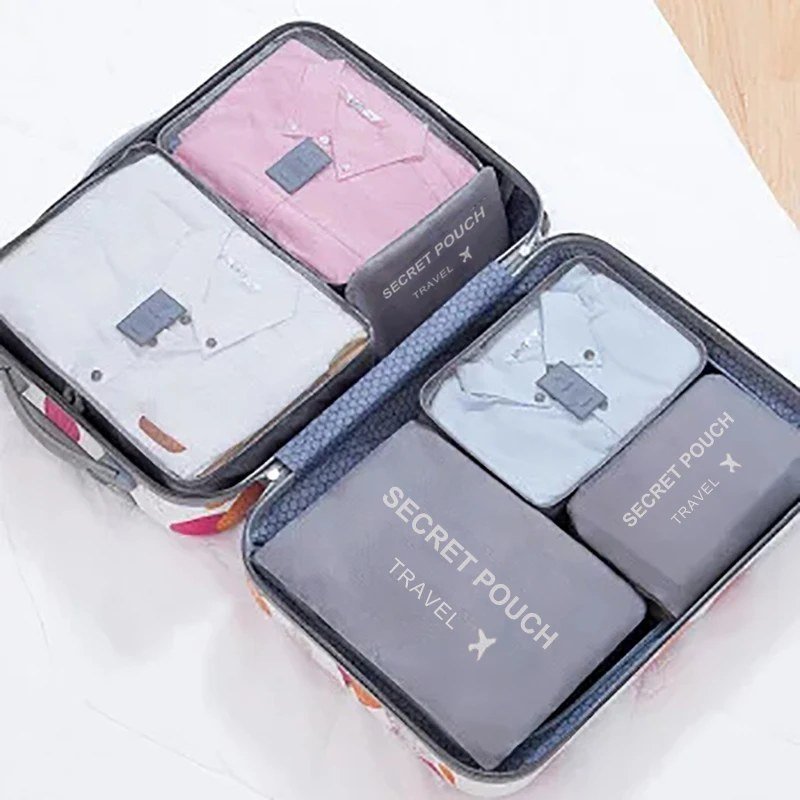
The two are not rivals. The standard version uses a cube as the core, which gives the bundle a firm square middle and keeps small items contained.
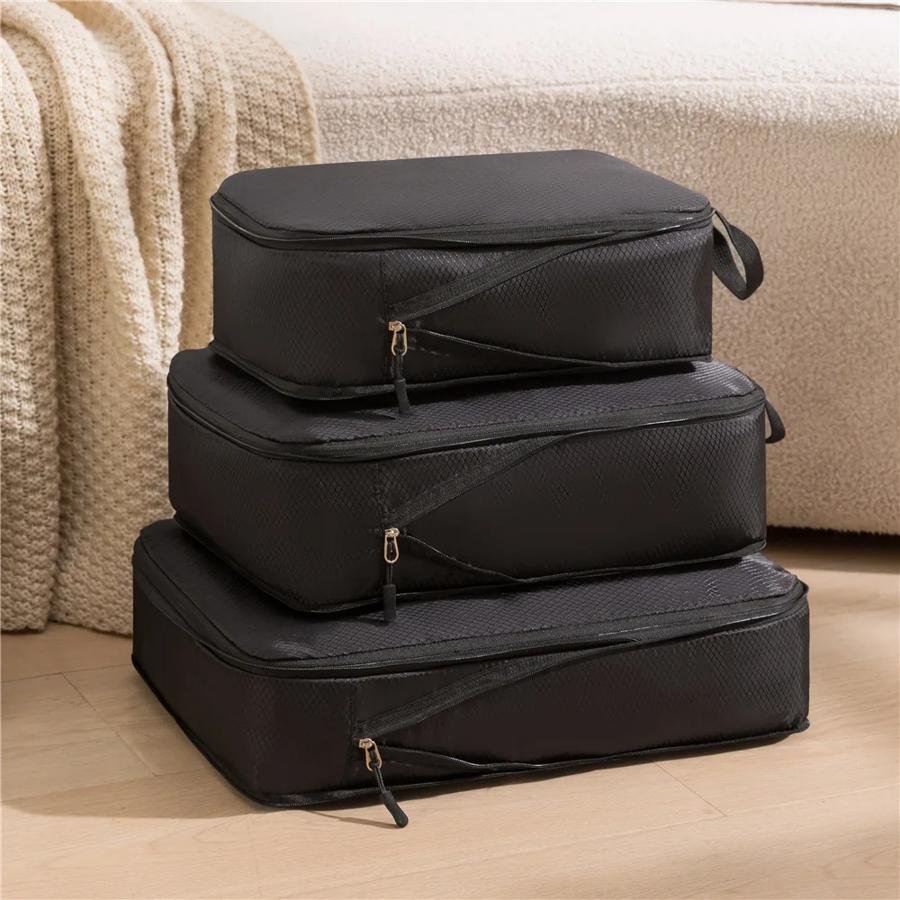
A practical hybrid: bundle the things that must not crease, and put everything else in normal cubes as usual. You get an uncreased shirt and you can still find your socks. If space is the constraint rather than creasing, compression is the better tool - the complete guide covers when to use which.
The short version
- Bundle packing wraps garments around a soft core in one layer, so nothing gets a hard fold.
- Use a small packing cube of underwear and socks as the core – it gives the bundle a firm middle.
- Wrap the most crease-prone items first: jackets and trousers, then shirts, then t-shirts.
- It creases least of the three methods, but you must unwrap the whole bundle to reach anything.
- Best for single-destination trips where you arrive and unpack; poor for moving on every few days.
Frequently asked questions
What is the bundle packing method?
A technique where you wrap each garment around a soft central core rather than folding or rolling it. Because every item follows a wide curve instead of a sharp fold, clothes come out of the bag with far fewer creases.
Is bundle packing better than rolling?
For creasing, yes, clearly. For access and for space, no. Rolling lets you pull out one t-shirt without disturbing anything; a bundle has to be unwrapped entirely, which makes it wrong for trips with several stops.
What do you use as the core when bundling?
A small packing cube filled with underwear and socks is ideal. It is soft enough not to create its own creases, firm enough to give the bundle shape, and it keeps small items from scattering through the parcel.
Does bundle packing save space?
Not really. It is roughly equivalent to careful folding, and noticeably less efficient than compression. Choose it for arriving uncreased, not for fitting more in - those are different problems with different solutions.
Can you combine bundling with packing cubes?
Yes, and that is the most practical version. Bundle only the items that must not crease, and pack everything else in cubes by category. You get an uncreased shirt without losing the ability to find your socks.