Quick answer: Packing feels stressful because it is dozens of small, irreversible decisions made under time pressure, each carrying a tiny fear of being caught without something. The fix is to reduce the number of decisions, not to buy a bigger bag.
What this guide covers
Almost nobody says they enjoy packing. A surprising number of people say they dread it, lose sleep over it, or leave it until the last possible hour and then feel awful.
That is not a character flaw and it is not really about luggage.
It is a decision problem
Every item is a separate judgement: will I need this, will the weather turn, will there be somewhere smart to eat. Each one is small. There are eighty of them, and they are made at eleven at night when you are tired.
Decision fatigue is well documented, and packing is close to a perfect trigger for it. The quality of your choices genuinely degrades as you go, which is why the last things into a bag are usually the least sensible.
Every decision feels irreversible
The other half is that you cannot undo it. Once you are at the airport, the thing you left behind is gone, and your brain treats that as a risk worth guarding against.
So you hedge. You take the second jumper, the spare shoes, the just-in-case cable. Hedging feels like caution and behaves like clutter. The honest counter is that almost everything can be bought at the other end, and the few things that cannot – passport, medication, glasses – are a short list you can check in ten seconds. How many cubes you actually need makes the same argument about the bag itself.
Fewer decisions, not more space
The people who find packing easy are not better at judgement. They have removed the judgement.
- A capsule. Clothes in one colour family all combine, so 'what goes with what' stops being a question.
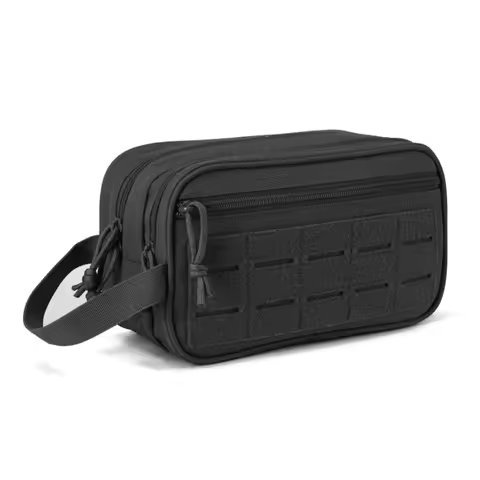
- A permanent wash bag. Packed once, never unpacked. That is fifteen decisions deleted forever.
- A written list you reuse. Not a new list each time – the same list, edited after each trip.
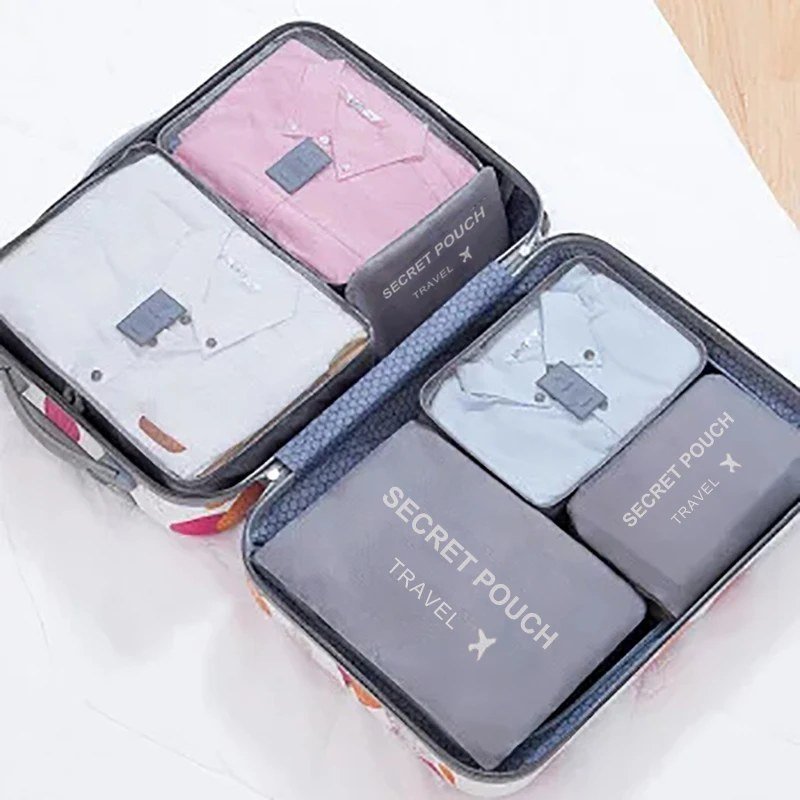
- A cube per category. The limit is visible, so 'is this too much' answers itself.
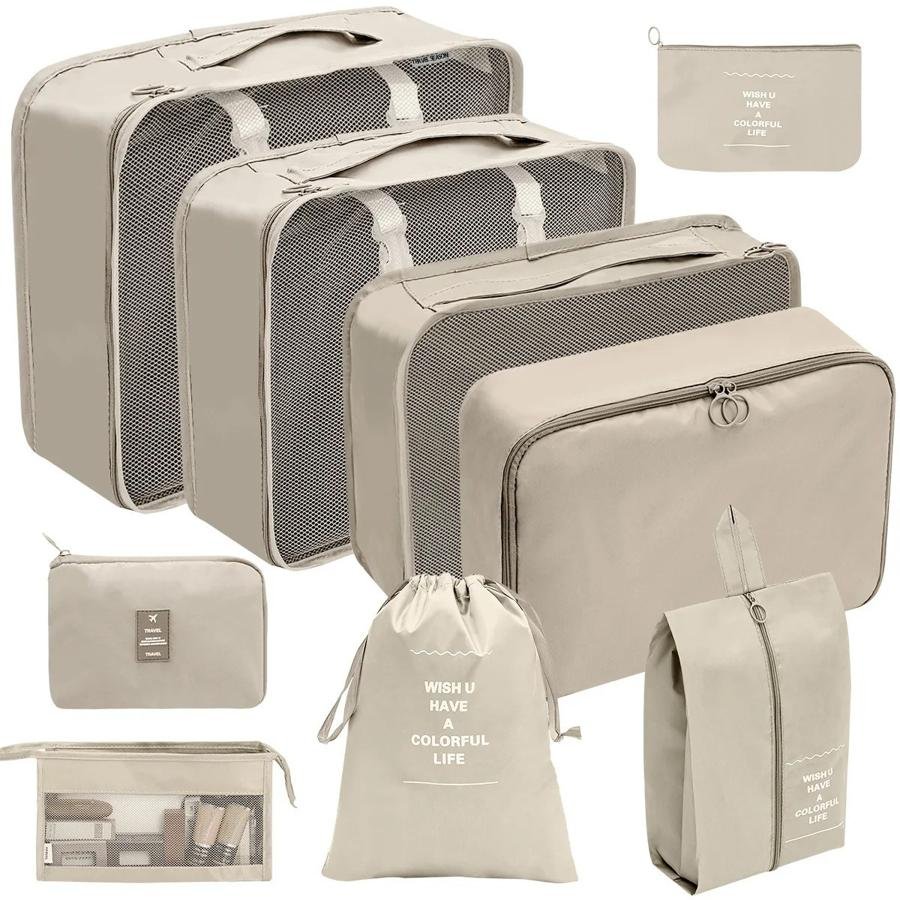
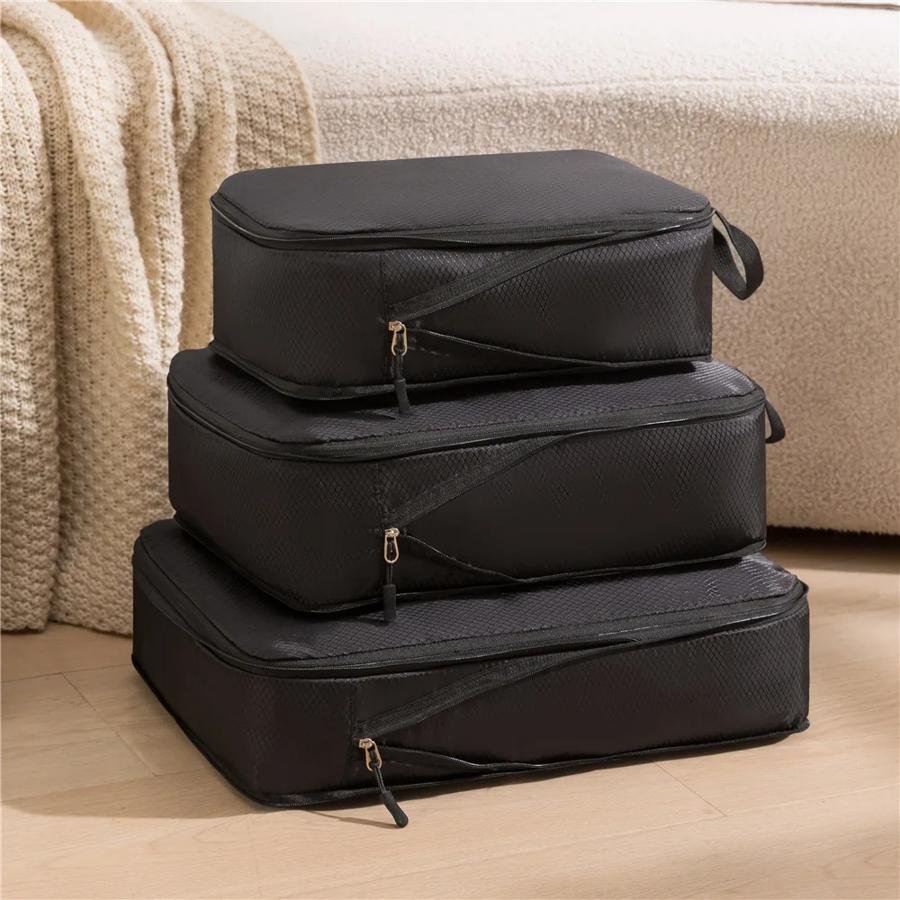
Our stress-free packing guide builds the whole system, and a matched set of cubes is the physical half of it.
Start the night before, on purpose
Not because you might run out of time, but because tired decisions are bad ones and morning decisions made in a rush are worse. Packing the night before turns a panic into a task.
A cube per category makes the limit visible while you still have time to change your mind. If you do nothing else from this piece, do that one. It is free, and it moves the worst part of the trip from 5am to a point where it does not matter. The mistakes post covers what usually goes wrong when it happens in a hurry.
The short version
- Packing stress is decision fatigue: dozens of small judgements made late at night, under time pressure.
- The feeling of irreversibility drives hedging – the spare jumper and the just-in-case cable.
- Almost everything can be bought at the destination; the genuinely irreplaceable list is very short.
- Reduce decisions rather than adding space: a capsule wardrobe, a permanent wash bag and a reusable list.
- Pack the night before deliberately, because tired rushed choices are consistently the worst ones.
Frequently asked questions
Why do I find packing so stressful?
Because it is dozens of small, seemingly irreversible decisions made when you are tired. That is a recognised recipe for decision fatigue, and it explains why the last items into a bag are usually the least rational ones.
How do I stop overpacking?
Remove the decisions rather than the items. Pack a capsule where everything combines, keep a wash bag permanently packed, reuse one written list, and give each category a cube so the limit is visible before you overfill it.
Does packing the night before really help?
Yes, more than almost any other change. It does not save time; it moves the decisions to a point where being wrong is recoverable, and it stops you making the final choices in a rush at five in the morning.
What should I actually worry about forgetting?
Passport, money, medication, glasses or lenses, and phone charger. That is close to the whole list of things that are genuinely difficult to replace. Everything else is an inconvenience you can buy your way out of.
Do packing cubes reduce the stress or just the mess?
Both, but the stress relief comes from the visible limit rather than the tidiness. When a category has a cube, 'have I packed too much' stops being a judgement call and becomes a question of whether the zip closes.