Quick answer: We overpack because a suitcase is filled for an imagined trip rather than the real one. The spare outfits are insurance against uncertainty and against being judged, not against running out of clothes – which is why buying a bigger bag never fixes it.
What this guide covers
Nobody overpacks because they cannot count. They overpack because a suitcase is not really filled with clothes; it is filled with predictions.
Packing for a person you might be
The classic overpacked case contains outfits for a version of the trip that will not happen: the impromptu smart dinner, the unexpected hike, the cold snap in June.
Each item is individually reasonable. Together they are a wardrobe for four different holidays, and you will live in the same three things regardless, as everyone does. The city break list is what that actually looks like written down.
What the spare jumper is actually for
Two anxieties do most of the work. The first is uncertainty – not knowing what the weather or the plans will be. The second, less comfortable one, is social: not wanting to be under-dressed, or seen in the same top twice.
Neither is solved by luggage. Both are solved by clothes that combine, which is the entire argument for a capsule – five tops that all go with two bottoms produce ten outfits from seven items.
Why a bigger bag makes it worse
Capacity gets filled. Give someone a larger case and they take more, not the same amount more comfortably. It is the most reliable effect in packing.
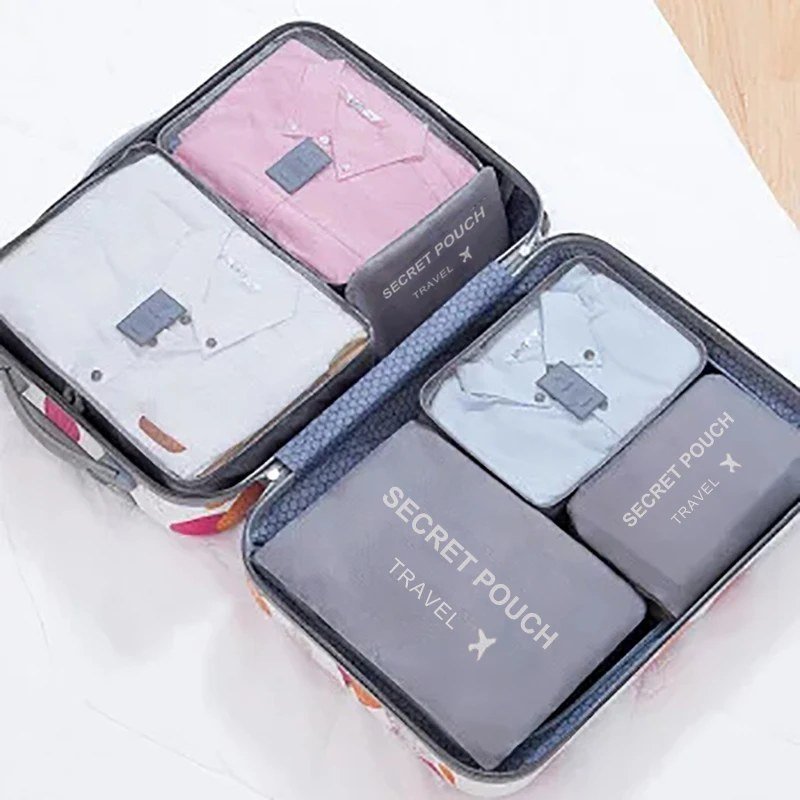
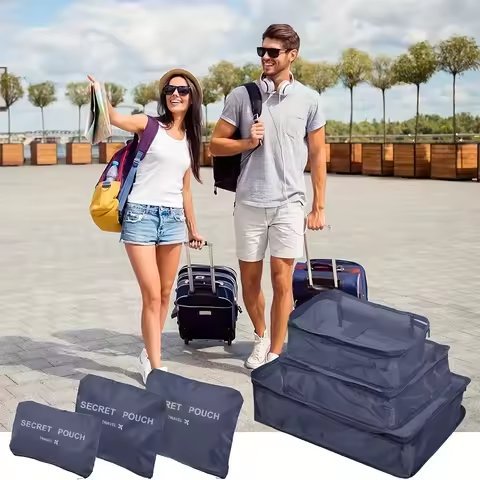
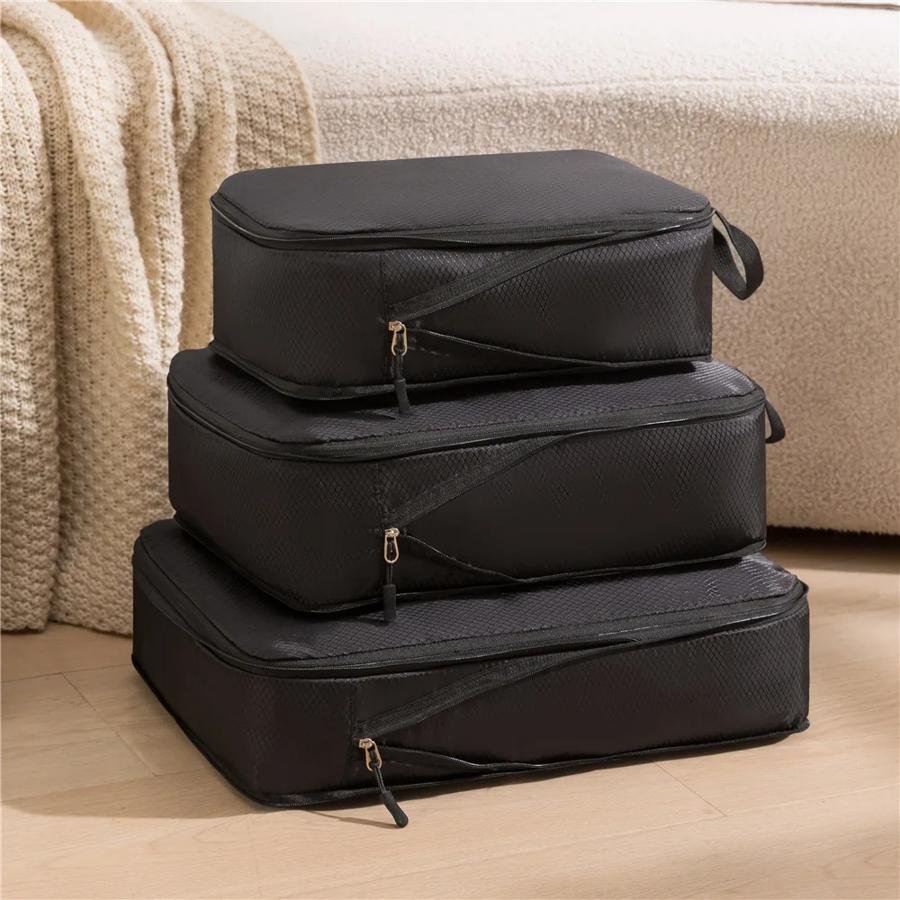
The counter is to fix the container first and choose within it. A cube per category makes the limit physical: when the zip will not close, the decision is made for you. How many cubes you actually need makes the same case, and the packing stress piece covers the decision fatigue underneath it.
Breaking the habit
- Lay it all out, then remove a quarter. Crude, and it works.
- Ask what you would buy there. If the answer is 'I'd just buy one', leave it.
- Keep a list from last time, annotated with what you never wore.
- Pack the bag you want to carry, not the biggest one you own.
The stress-free packing guide builds this into a routine, and a matched set gives you the visible limits to work inside.
The short version
- Overpacked cases are full of predictions – outfits for trips that will not happen.
- The spare jumper is insurance against uncertainty and social judgement, not against running out of clothes.
- Capacity gets filled: a bigger bag reliably produces more packing, not more comfort.
- Five tops that go with two bottoms produce ten outfits from seven items.
- Lay everything out and remove a quarter – blunt, but the most effective single technique there is.
Frequently asked questions
Why do I always overpack?
Because you are packing for several imagined versions of the trip at once, each of which needs its own outfit. The clothes are insurance against uncertainty, which is why counting them differently never helps but combining them does.
Does a bigger suitcase help?
No, it reliably makes things worse. Capacity gets filled almost regardless of the trip length. Choosing a smaller bag first and packing within it is the single most effective constraint available.
How do I know what I will not wear?
Keep last trip's list and mark what stayed in the case. Two trips of that data is usually enough to identify a personal pattern - for most people it is a second pair of shoes and one smart outfit too many.
Is packing anxiety normal?
Very. Packing is dozens of small irreversible-feeling decisions made late at night, which is a well-known recipe for decision fatigue. It is a common experience rather than a personal failing.
What is the fastest way to pack less?
Lay everything out on the bed, then physically remove a quarter of it before anything goes in the bag. It feels arbitrary and it works, because the items you hesitate over are almost always the ones you never wear.