Quick answer: Muji, IKEA and Uniqlo all sell competent budget packing cubes with similar fabric and noticeably different zips. They suit occasional travellers well; the common weakness is that almost none of them offer true compression, which is what frequent flyers actually need.
What this guide covers
The high street has quietly become a decent place to buy packing cubes. Three names come up more than any others, and they are more similar to each other than to either the supermarket or the premium end.
We sell cubes, so read this as informed rather than impartial.
What they have in common
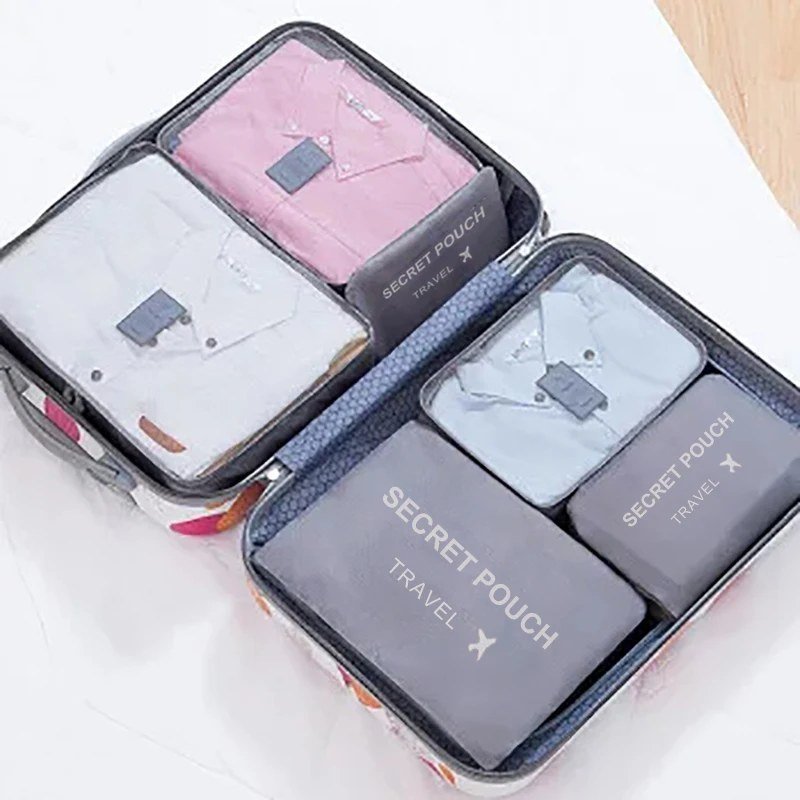
All three sit in a similar place: light nylon or polyester, a mesh panel, simple construction, and a price well under premium luggage brands. Build quality is generally fine, and for two or three holidays a year that is genuinely enough.
The fabric across all of them is broadly comparable, which is true across most of the market – the differences that matter are in the zip and the seams, as our tested guide sets out.
Where they differ
- Design language. Muji leans minimal and neutral; IKEA is bolder and cheaper; Uniqlo sits between the two.
- Zips. This is where budget ranges vary most. Run the zip several times in the shop – a zip that catches when new gets worse.
- Sizing. Ranges are narrow. Most offer two sizes, which is limiting if you want a large for knitwear and a small for socks.
The gap they all share
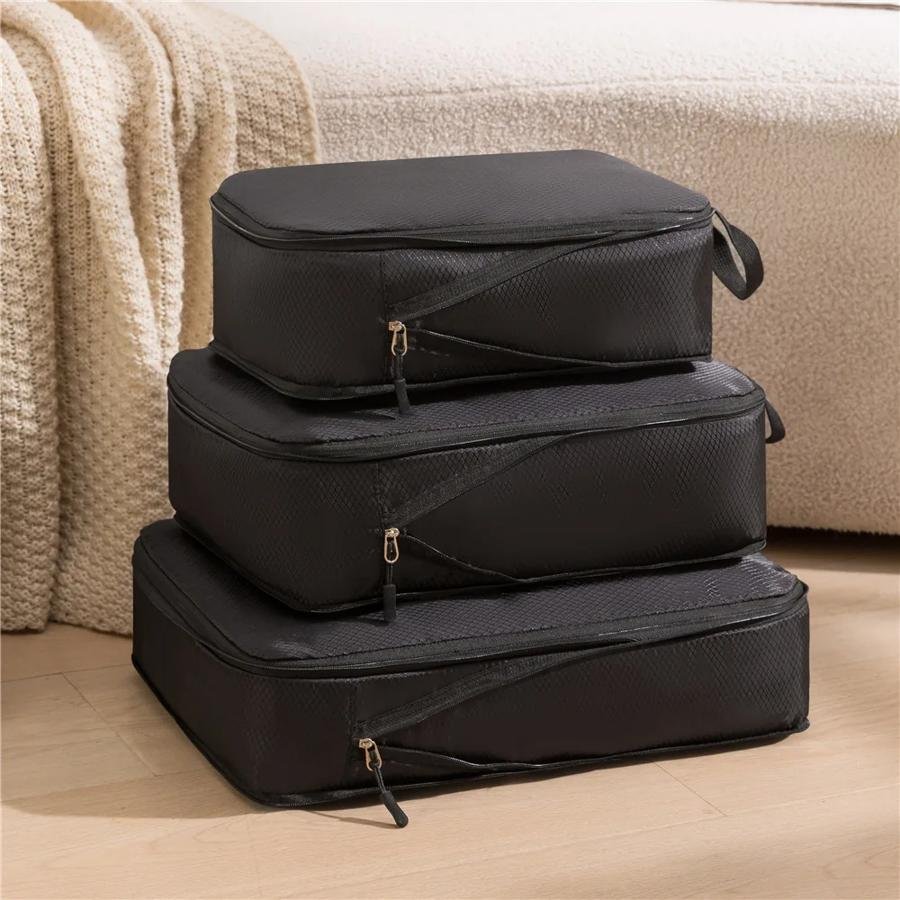
Almost none of them do genuine compression. A second zip that pulls the panel down is the feature that turns a cube from an organiser into a space-saver, and it is largely absent from high street ranges.
If your problem is finding things, that does not matter. If your problem is a lid that will not close, it matters entirely – see compression vs regular, and our compression range.
Who should buy which
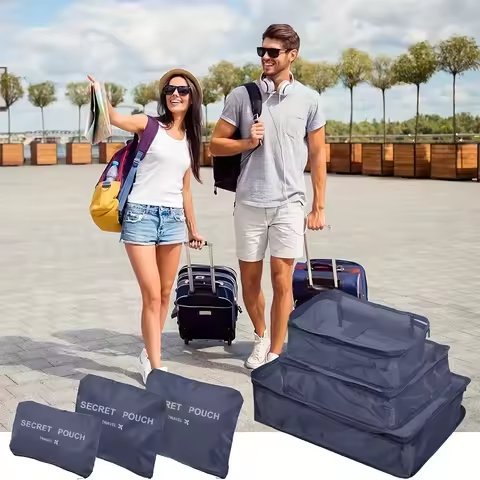
High street cubes are a sensible first purchase if you travel a few times a year and want organisation. They are widely available, you can handle them before buying, and the outlay is small.
If you fly often, want compression, or want more than two sizes, you will outgrow them – a graded set covers more situations. And if you want to test the idea for less, supermarket cubes answer the question for even less money.
The short version
- Muji, IKEA and Uniqlo cubes are broadly comparable on fabric – the differences are zips and sizing.
- Run the zip several times before buying; a zip that catches when new only gets worse.
- High street ranges usually offer only two sizes, which limits how well they suit real packing.
- Almost none of them offer true compression, which is the feature that actually saves space.
- They are a good first purchase for occasional travellers and easy to outgrow if you fly often.
Frequently asked questions
Are Muji packing cubes any good?
They are competently made, neutral in design and reasonably priced, which suits occasional travellers well. As with most high street ranges, the limitation is a narrow choice of sizes and no true compression option.
Are IKEA packing cubes worth buying?
For the price, yes, if you want basic organisation. The fabric is fine and the value is strong; the zips are where the cost saving shows, so run them a few times before you commit.
Which high street shop has the best packing cubes?
They are closer to each other than the branding suggests. Judge the individual product rather than the shop: a smooth coil zip and bound seams matter far more than which name is on the label.
Do high street packing cubes compress?
Very rarely. Genuine compression needs a second zip that pulls the side panel down, and that is largely absent from budget high street ranges. If space rather than tidiness is your problem, you need to look elsewhere.
Should I buy cheap packing cubes to start with?
It is a sensible way to find out whether the system suits you. If you end up travelling often, you will want compression and a wider range of sizes, but there is no need to spend heavily to answer the basic question.