Quick answer: Supermarket packing cubes are fine for one or two holidays a year and genuinely poor value if you travel more. The fabric is usually acceptable; the zip almost never is. Check the zip teeth and the seam binding before you buy, because those are the two things that fail first and cannot be repaired.
What this guide covers
Every summer the same thing happens. Packing cubes appear in the middle aisle at Aldi, on a stand in Primark, next to the suitcases in Asda. They cost about six quid for three, and people quite reasonably ask whether the expensive ones are a con.
I have bought and wrecked a lot of cheap cubes over fifteen years of testing gear. Here is what I actually think.
The short version
Supermarket cubes are not a scam. They are a different product sold at a different price for a different amount of use.
If you fly once a year to Spain and back, a six-pound set will very likely outlast your interest in packing cubes. Buy it, enjoy it, no notes.
If you travel four or five times a year, or you have children, or you pack and repack across a two-week trip, you will be back in that middle aisle next summer buying another one. That is where the maths stops working.
What supermarket cubes get right
More than the snobs admit, honestly.
- The fabric is usually fine. Most are 210D polyester, which is perfectly adequate for holding folded clothes. It is not going to abrade in a suitcase.
- The mesh panel is usually there. Being able to see inside is most of the benefit, and even budget sets tend to include it.
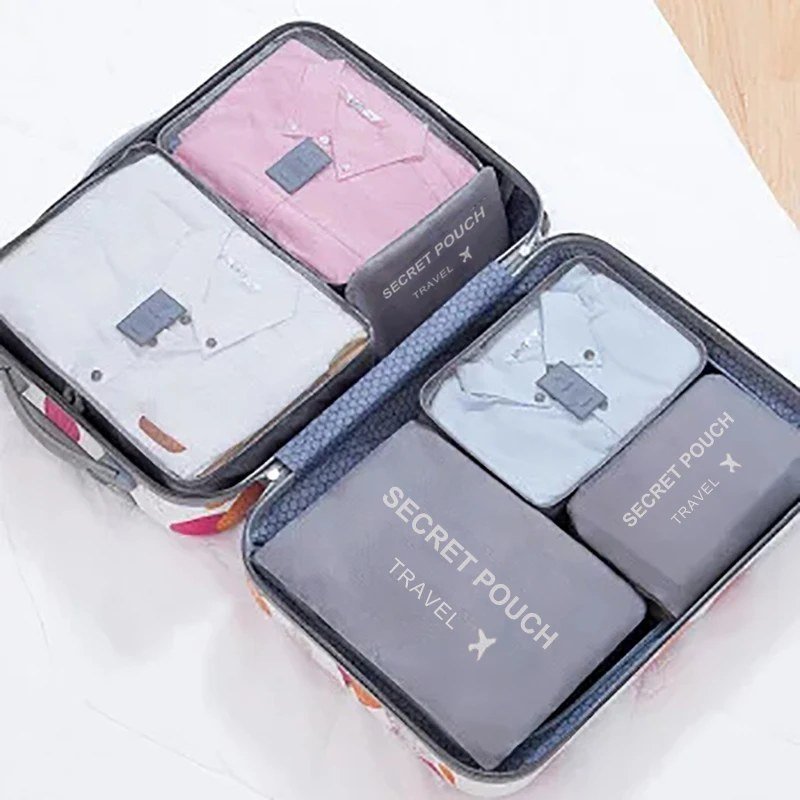
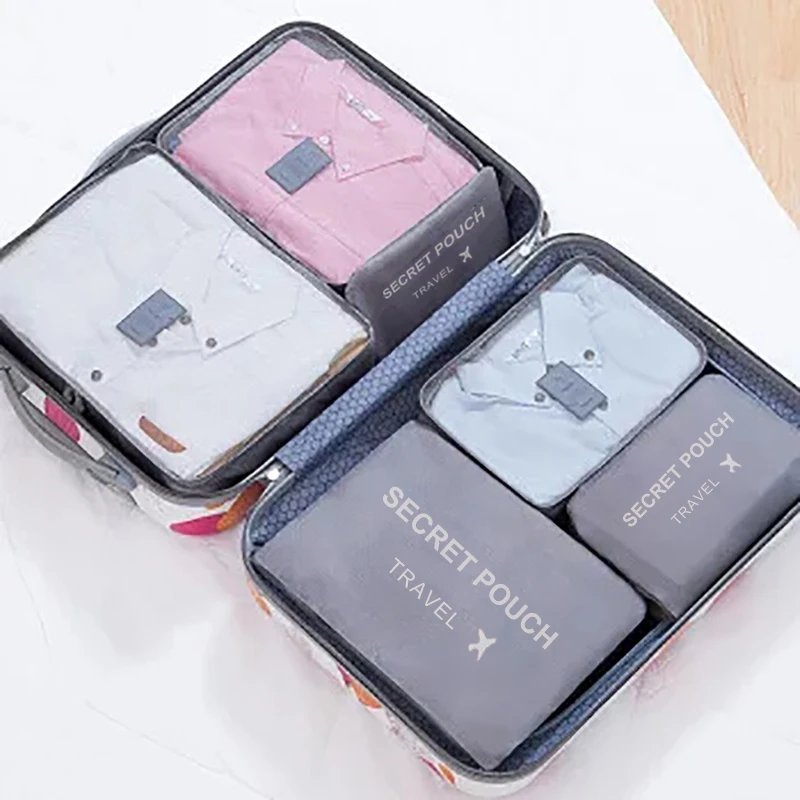
- The sizes are sensible. Three graded cubes covers a week for one person, which is the right answer for most trips.
- They pack flat. Nothing clever about it, but true.
If you have been wondering whether cubes work at all, a supermarket set is a completely reasonable way to find out before spending more. The method matters far more than the fabric — that is all in the complete guide to using packing cubes.
Where they fall down: the zip, every time
I have never had a cheap cube fail at the fabric. Not once.
They fail at the zip, and they fail in one of three ways. The slider splits from the teeth. The teeth themselves bend and stop meshing. Or the stitching that holds the zip tape to the fabric pulls away at the corner, which is where all the strain lands when you close a full cube.
You cannot fix any of those on a Tuesday night in a hotel in Málaga. The cube becomes a bag.
So when you are stood in the aisle, do this: run the zip fully closed and fully open twice, hard. If it catches, snags or feels gritty, put it back. That thirty-second test tells you more than the packaging does.
What to look at, in order
Here is my actual checklist, ranked by how much it matters.
| Check | Good sign | Walk away if |
|---|---|---|
| Zip type | Chunky coil zip, smooth in both directions | Thin metal teeth, or it catches on itself |
| Zip stitching | Double row of stitches, bar-tacked at the corners | Single row, loose threads at the ends |
| Seam finish | Bound or taped inside seams | Raw overlocked edges already fraying |
| Handle | Webbing sewn through the seam | Glued or tacked on with two stitches |
| Shape when empty | Holds a square-ish form | Collapses into a floppy sack |
Notice that price is not on the list. There are seven-pound sets with good zips and twenty-five-pound sets with terrible ones.
Store by store, roughly
Stock changes constantly and I am not going to pretend a set I bought last year is the one on the shelf now. But the patterns hold.
Primark is the cheapest and the most variable. Good colours, thin zips. Genuinely fine for a first try, and the price means you will not resent replacing it.
Asda and Tesco sit in the middle. Usually 210D polyester, usually a coil zip, usually adequate stitching. The most likely of the supermarkets to survive a couple of years.
B&M and Home Bargains are a lottery. I have had a set last four years and a set fail on the first trip, from the same shop, eighteen months apart.
Aldi and Lidl middle-aisle sets are often surprisingly well made because they are usually a rebadged travel brand. When they appear, they go quickly.
The honest cost comparison
This is the bit that decides it for most people.
A six-pound set replaced every year for five years costs thirty pounds and gives you five sets of gradually declining confidence. A well-made set at around fifteen to twenty-five pounds, kept for five years, costs less and never once ruins a packing night.
That is the entire argument for spending more, and it only applies if you travel regularly. If you do not, the cheap set genuinely wins.
We built our cheap packing cubes range around exactly this gap: entry prices, but the same zips and the same 30-day money-back guarantee as everything else we sell. The full reasoning is in cheap packing cubes that actually last.
When cheap is the wrong call entirely
Three situations where I would not risk it.
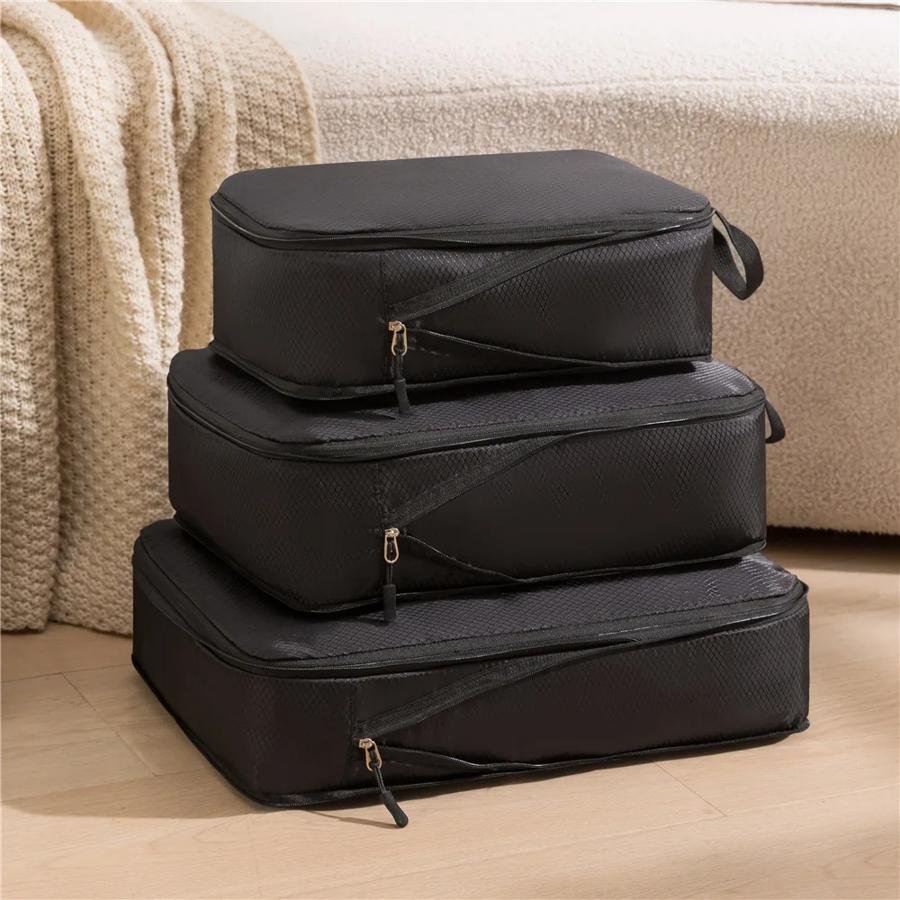
Compression cubes. A compression zip takes far more force than a normal one, so a weak zip fails faster and more dramatically. If you want compression, buy it properly — see the compression range or the guide to whether it actually saves space.
Long trips. Multi-month travel means hundreds of open-close cycles. Budget zips are rated for far fewer. The backpack cube range exists for this kind of use.
Anything you check into a hold. Baggage handling is genuinely rough, and a cube that splits inside a case has spread your clothes through the whole thing.
So, buy them or not?
Buy the supermarket set if you are curious, if you travel rarely, or if you want to test the system before committing. It will do the job.
Skip it if you already know cubes work for you, if you travel more than twice a year, or if you want compression. At that point you are not paying for a brand, you are paying for a zip that closes on the last night of the holiday when the bag is fullest.
If you want the middle ground, a matched packing cube set at around fifteen pounds is the sweet spot for most households, and shopping by size lets you buy only the cubes you will actually use.
The short version
- Supermarket cubes fail at the zip, never the fabric – test the zip in the shop.
- A six-pound set is genuinely fine if you fly once or twice a year.
- Look for a chunky coil zip, double stitching and bar-tacked corners.
- Never buy budget compression cubes – the second zip takes far more force.
- Replacing a cheap set yearly costs more over five years than buying once properly.
Frequently asked questions
Are Primark packing cubes any good?
They are fine for occasional travel and the price is hard to argue with. The fabric is usually adequate; the zips are the weak point. Run the zip fully open and closed twice before buying, and if it snags or feels gritty, put it back.
Do Asda or Tesco sell packing cubes?
Both stock them seasonally, usually alongside luggage in spring and summer. They tend to sit in the middle of the market for quality: 210D polyester, coil zips and adequate stitching, which is enough for a couple of holidays a year.
Are expensive packing cubes worth the extra money?
Only if you travel regularly. What you are paying for is zip quality and seam binding, which is what fails first. Replacing a cheap set every year for five years costs more than buying one good set once, but that maths only works if you actually travel.
What should I check before buying cheap packing cubes?
The zip above all: chunky coil teeth, smooth in both directions, double-stitched to the fabric with bar-tacks at the corners. Then check the inside seams are bound rather than raw, and that the handle is sewn through the seam rather than tacked on.
Are cheap compression cubes worth buying?
No. A compression zip takes considerably more force than a standard one, so a budget zip fails faster and usually at the worst moment, with a full cube. Compression is the one category where it is worth paying for a proper zip.