Quick answer: Ryanair's free under-seat bag is 40x20x25cm, which is about 20 litres. Two small packing cubes fit it exactly: one for clothes, one for everything else. Pack three outfits, wear the bulkiest layer, and keep liquids in a clear bag at the top so you never have to unpack at security.
What this guide covers
I have flown this bag more times than I can count, and the thing nobody tells you is that 40x20x25 is not really a size. It is a shape.
Twenty litres sounds tiny until you realise the problem is the 20cm depth, not the volume. Anything that will not lie flat is fighting you.
So the whole game is packing in flat layers, and that is exactly what cubes are for.
The dimensions, plainly
Ryanair's free small bag must fit 40cm x 20cm x 25cm and go under the seat in front. There is no weight limit on it, which people forget — you are constrained by space alone.
Always check the current allowance on Ryanair's own baggage page before you fly, because airlines change these more often than they announce.
The sizer at the gate is real, and it is unforgiving in the 20cm direction. A bag that bulges will not drop in.
Two cubes. That is the whole system.
Here is the layout that has never once failed me.
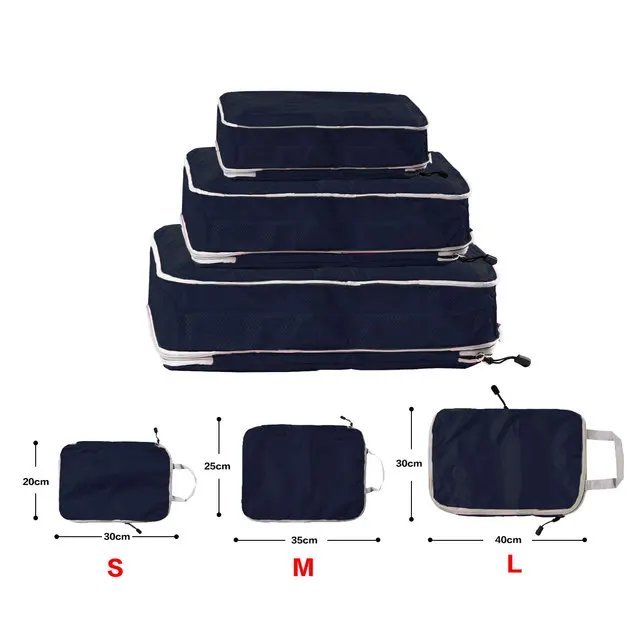
- Cube one – clothes. A small cube, roughly 28–30cm long, packed flat. Everything you will wear.
- Cube two – everything else. A flat pouch or small cube: charger, cable, adaptor, medication, spare glasses.
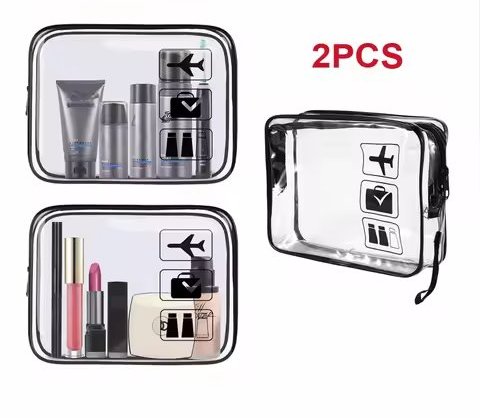
- Loose in the top pocket. Passport, phone, clear liquids bag, headphones.
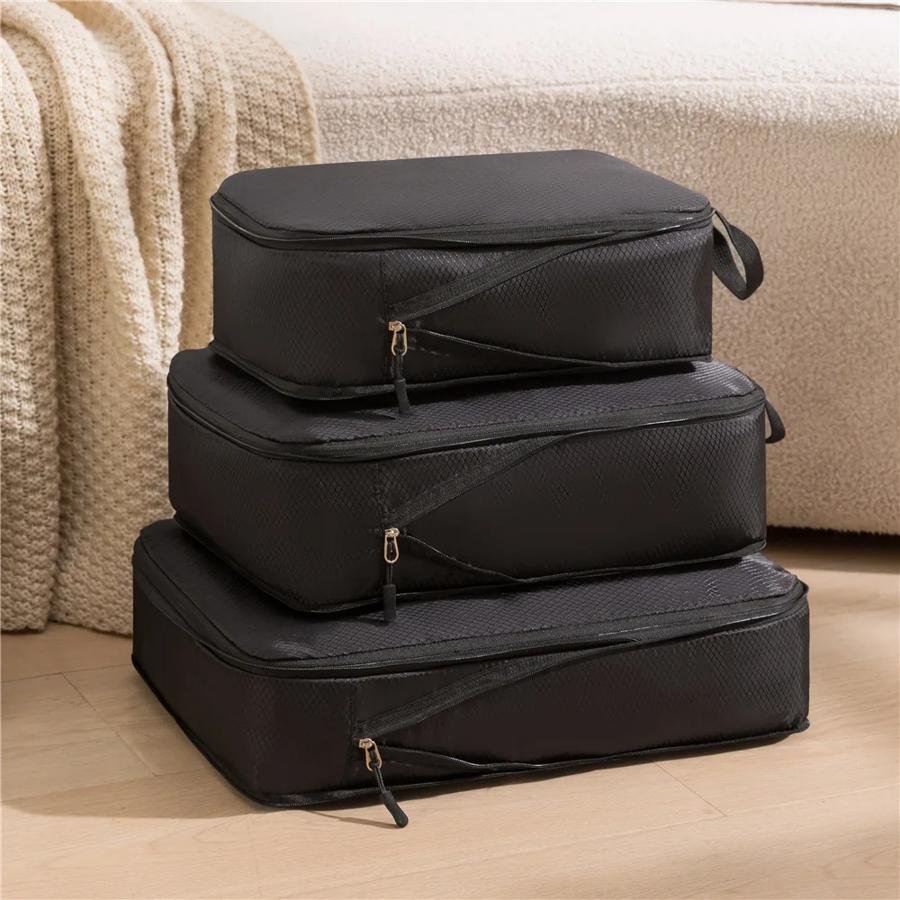
Two cubes side by side fill the footprint almost exactly, and because each is packed flat the bag keeps its shape. That shape is what gets you through the sizer.
Shop small cubes in the by-size range, or take a graded set and just use the two smallest pieces.
What actually fits: three days, honestly
This is a real list, not an aspirational one. It is what I take for a long weekend.
| Item | Qty | Where |
|---|---|---|
| T-shirts | 3 | Rolled, cube one |
| Underwear + socks | 3 + 3 | Rolled into gaps, cube one |
| Spare trousers or shorts | 1 | Folded flat, cube one |
| Light jumper | 1 | Worn on the plane |
| Jacket | 1 | Worn or carried |
| Toiletries under 100ml | — | Clear bag, top pocket |
| Charger, cable, adaptor | — | Cube two |
Four days is doable with the same list plus one t-shirt and a laundry sink wash. Five gets uncomfortable.
Wear the bulk, always
The single biggest lever on a 20-litre bag is what you put on your body.
Trainers or boots, the heaviest jumper, the jacket. A pair of boots takes up roughly a fifth of this bag; worn, they take up none of it. That trade is worth more than any packing technique.
Airlines do not weigh what you are wearing, and nobody at the gate has ever commented on my coat.
The liquids bit that catches everyone
Liquids must be 100ml or less per container, inside one clear resealable bag of around a litre, and it has to come out at security.
The UK government hand luggage rules are the definitive source and worth a look before you travel, since scanner upgrades have changed the rules at some airports and not others.
Practically: keep that bag at the very top of your luggage, or in an outer pocket. Digging for it while a queue builds behind you is how neat packing gets destroyed in ten seconds.
A structured clear toiletry case stands up in the tray better than a floppy freezer bag, and it survives more than one trip.
Compression: helpful, with a caveat
A small compression cube genuinely helps here, especially in winter when a fleece is eating half your volume.
The caveat is the 20cm depth. Compression squashes height, so it turns a fat soft lump into a flat firm slab — which is exactly the shape this bag wants. But a compressed cube is rigid, so measure it packed rather than empty. See the compression range and the honest numbers on what it saves.
Mistakes I see at the gate
- Round bags. A duffel with curved ends wastes the corners and fails the sizer. Boxy wins.
- Packing the bag standing up. Pack it lying flat, the way it will sit under the seat.
- One big cube. A single large cube stuffed full domes in the middle. Two small flat ones beat it every time.
- Leaving liquids buried. Covered above, and it happens constantly.
- Shoes inside. Wear them, or accept you have lost a fifth of the bag. A shoe bag is for hold luggage, not this.
If you are taking the paid cabin bag too
The larger 55x40x20cm bag changes everything — that is a genuine week's worth of space, and the approach is different. Our carry-on packing guide covers fitting a full week into one, and how to pack a suitcase with cubes covers the loading order.
For everything else — sizes, materials, how many cubes to own — the FAQ page answers the questions we get asked most, and how many packing cubes you actually need saves most people from over-buying.
The short version
- The free Ryanair bag is 40x20x25cm – about 20 litres, and the 20cm depth is the real constraint.
- Two small cubes fill it exactly: one for clothes, one for tech and medication.
- Wear the boots, the jumper and the jacket – that is worth more than any folding trick.
- Keep the clear liquids bag at the very top so security never wrecks your packing.
- Boxy bags pass the sizer; round duffels waste the corners and fail it.
Frequently asked questions
What size is the free Ryanair cabin bag?
The free small bag must fit 40cm x 20cm x 25cm and go under the seat in front of you. There is no weight limit on it, so space is the only constraint. Always check Ryanair's current baggage page before flying, as allowances change.
How many packing cubes fit in a 40x20x25 bag?
Two small ones, side by side, fill the footprint almost exactly: one for clothes and one for chargers, cables and medication. A single large cube domes in the middle and makes the bag fail the gate sizer.
How many days can you pack for in a Ryanair underseat bag?
Three days comfortably, four with a sink wash. That is roughly three t-shirts, three sets of underwear and socks, one spare pair of trousers, with your jumper, jacket and boots worn rather than packed.
Do packing cubes help with the Ryanair size limit?
Yes, because they force flat layers. The 20cm depth is what catches people out, and a bag packed in flat cube-shaped slabs keeps its rectangular shape rather than bulging, which is what the gate sizer actually tests.
Where should liquids go in an underseat bag?
In a clear resealable bag at the very top, or in an outer pocket. Liquids must be 100ml or less per container and have to come out at security, and digging for them with a queue behind you undoes careful packing in seconds.