Quick answer: Pack a hospital bag in labelled cubes so anyone can find what they need without emptying it: one cube for you, one for baby, one for going home, and a wipe-clean bag for toiletries. The person searching is often not the person who packed.
What this guide covers
A hospital bag has one requirement that ordinary luggage does not: someone else has to be able to find things in it, quickly, possibly one-handed, while you are occupied.
That single constraint should shape the whole way it is packed.
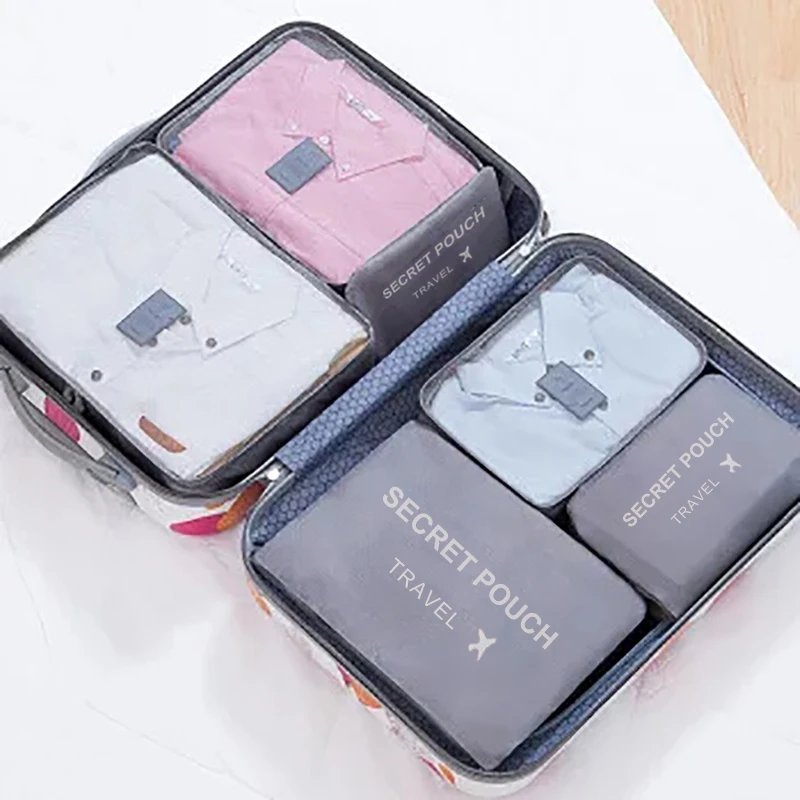
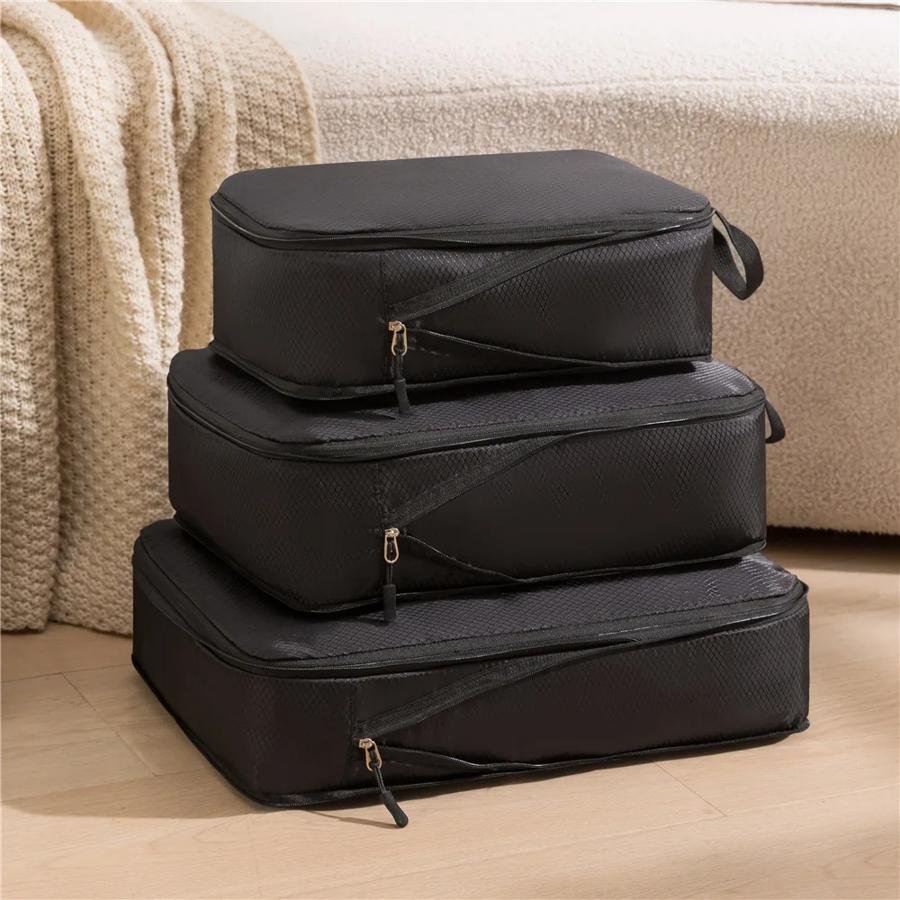
One cube per stage
- Labour: what you need in the room – a long t-shirt, hair tie, lip balm, phone charger, snacks.
- After: nightwear, comfortable clothes, plenty of underwear, and the items nobody wants to describe out loud to a partner.
- Baby: vests, sleepsuits, hat, scratch mitts, nappies.
- Going home: one outfit each, kept sealed and untouched.
Four cubes, four stages. Nobody has to ask you where anything is.
Label the outside
This is the difference between a good hospital bag and a great one. A cube labelled 'baby – first night' can be handed to a partner, a parent or a midwife with no explanation.
Colour works as well as words and is faster to recognise. Whatever you choose, do it on the outside of the cube where it can be read without unzipping.
The wipe-clean bag
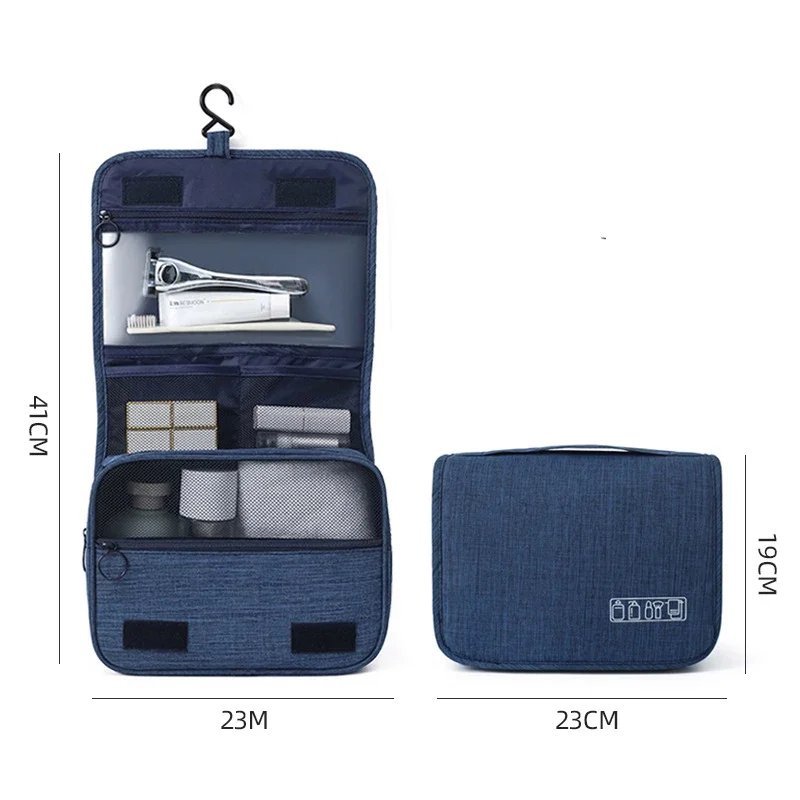
Hospital toiletries want a bag that can be rinsed and does not mind a wet surface. A hanging wash bag is genuinely useful here, because hospital bathrooms have even less shelf space than hotels and you may be holding something.
Medication and anything small goes in a clear bag so it can be identified without being unpacked – which matters when a member of staff is the one looking.
Pack it early, and pack two
Pack from around 36 weeks and keep it by the door. The second bag – the going home one – can stay in the car, which keeps the main bag manageable.
Cubes make that split easy: the going-home cubes lift out of the main bag into a second one without repacking anything. The same system works for any trip where someone else does the fetching, which is most of the family packing guide. There is more on colour systems in the kids post.
The short version
- Pack by stage, not by category: labour, after, baby, and going home, one cube each.
- Label cubes on the outside – a partner or midwife should not have to unzip anything to find things.
- Colour is recognised faster than writing, especially by someone who did not pack the bag.
- Keep toiletries in a hanging wipe-clean bag; hospital bathrooms have almost no shelf space.
- Pack from about 36 weeks, and keep the going-home bag in the car to keep the main bag small.
Frequently asked questions
What should go in a hospital bag?
Split it by stage: labour items you want in the room, clothes and plenty of underwear for afterwards, baby vests sleepsuits and nappies, and a sealed going-home outfit for each of you. Plus toiletries and any medication.
Why use packing cubes for a hospital bag?
Because the person searching it is often not the person who packed it. Labelled cubes mean a partner or a midwife can find what is needed one-handed, without emptying the bag onto a hospital floor.
How many bags should I take to hospital?
Two is the practical answer: the main bag by the door, and a going-home bag left in the car. That keeps the bag you actually carry in small enough to manage.
When should I pack my hospital bag?
From around 36 weeks, and then leave it by the door. Packing early removes one decision from a day when you will not want to be making any, and it means someone else can simply pick it up.
What is the best bag for hospital toiletries?
A hanging wipe-clean one. Hospital bathrooms have even less surface than hotel ones, often wet, and being able to hook a bag on a rail and see everything at once is worth more there than anywhere else.