Quick answer: Stop cables tangling by giving each one a fixed loop and coiling it the same way every time. Tangles happen when cables share a loose space and are free to move; once each has its own home, the problem disappears and you can see instantly what is missing.
What this guide covers
The tangle is not random. Cables knot because they are free to move in a shared space, and any loose bundle of flexible cords will work itself into knots given enough vibration.
Which means the fix is not better untangling – it is not letting them move.
Coil the same way every time
Use an over-under coil rather than winding round your hand. Winding one direction introduces a twist per loop, and that stored twist is what makes a cable spring into a knot the moment it is loose.
Over-under alternates the direction so the twists cancel. It is the method sound engineers use on stage cables, it takes a week to become automatic, and it makes a noticeable difference.
Everything gets a fixed home
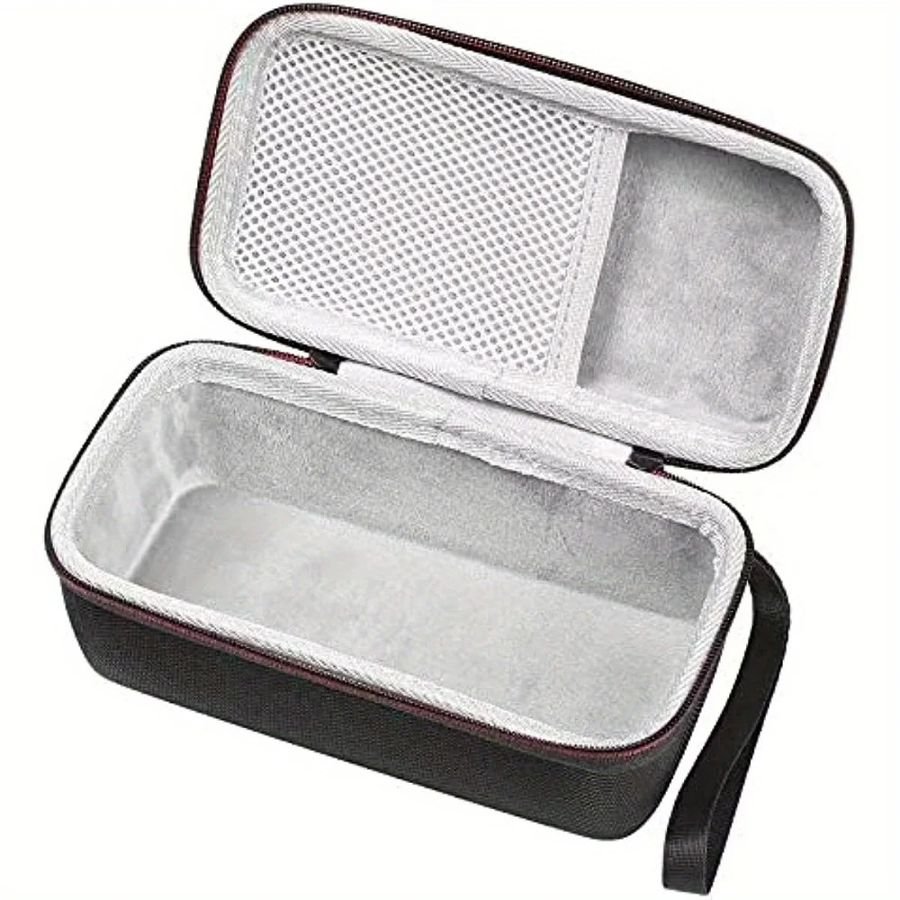
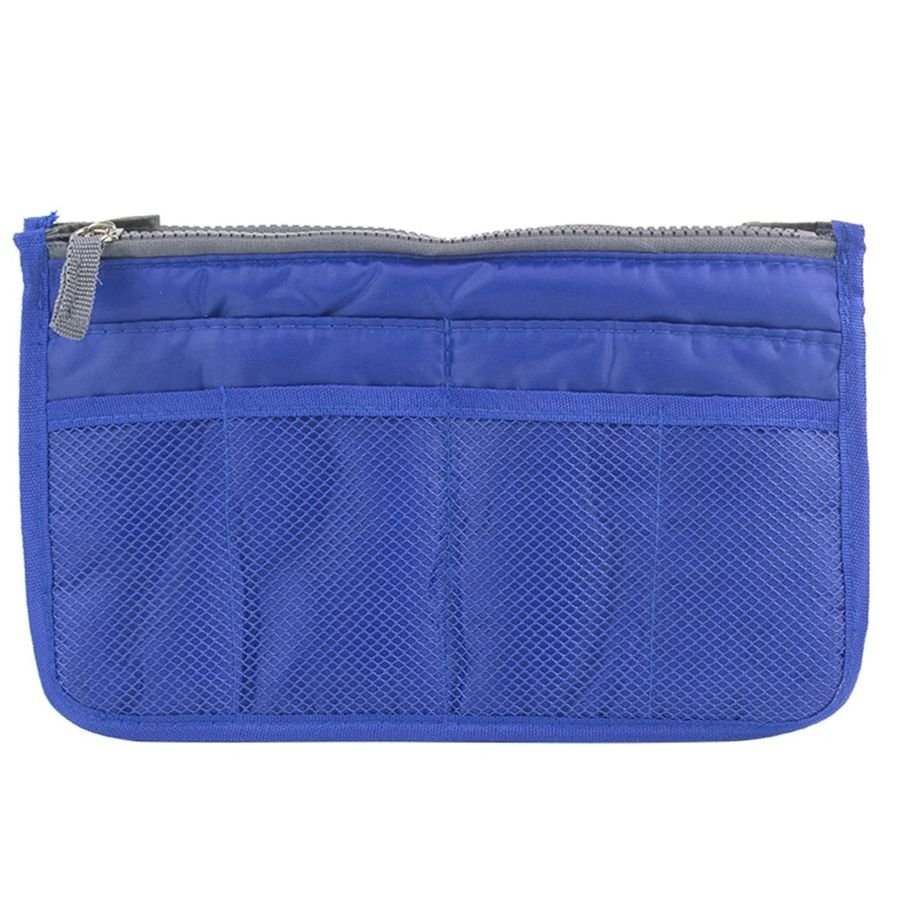
A tech organiser with elastic loops is the practical version. Each cable goes in the same loop every trip, so a glance tells you what is missing before you leave the house.
That is the real benefit, more than tidiness. The charger you forget is never the one you thought about – it is the one that had no fixed place. See the tech organiser post for what should be in it.
Label the identical ones
Most households now own several near-identical black chargers with different power outputs, and using the wrong one means a laptop that charges at a quarter speed overnight.
A coloured tie or a small strip of tape on each plug, once, solves it permanently. Do it at home rather than trying to work it out in a hotel room.
Reduce the count first
The best organisation is fewer cables. One multi-port charger and two cables usually replaces four separate plugs, and a short cable is easier to manage than a long one for everything except a bed that is far from a socket.
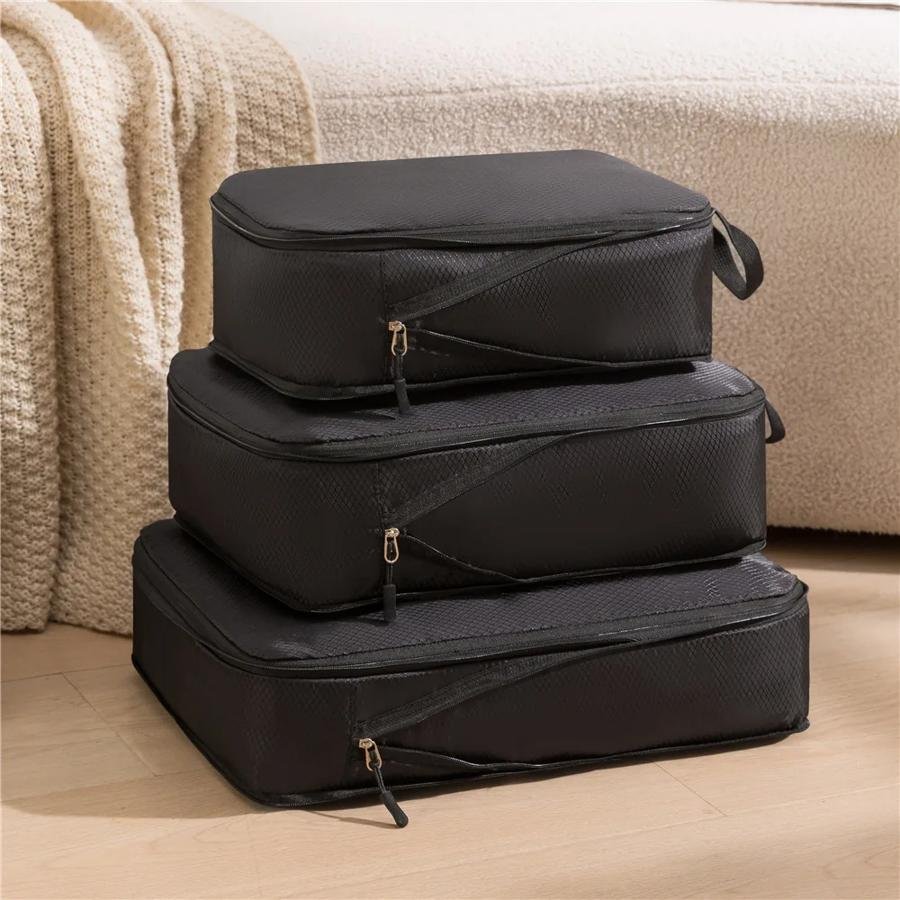
Remember power banks and spare lithium batteries must fly in the cabin, so the whole case belongs in hand luggage – alongside your liquids bag. The organisers guide covers the rest of the kit, and cubes handle everything that is not a cable.
The short version
- Cables tangle because they are loose and free to move, not because of bad luck.
- Coil over-under so the twists cancel; winding one way stores twist that springs into knots.
- Give every cable the same elastic loop each trip – a glance then shows what is missing.
- Label near-identical black chargers once, at home, with coloured ties or tape.
- One multi-port charger and two cables usually replaces four separate plugs.
Frequently asked questions
How do you stop cables tangling in a bag?
Give each one a fixed loop in an organiser and coil it the same way every time. Cables knot because they are loose in a shared space and free to move; remove that freedom and the tangling stops.
What is the over-under cable coiling method?
You alternate the direction of each loop rather than winding continuously one way. Winding in one direction stores a twist per loop, which is the energy that makes a cable knot itself; alternating cancels it out.
What should be in a travel cable organiser?
A phone cable and a short spare, a mains charger, a laptop charger if needed, a plug adaptor, a power bank and earphones. Anything small enough to disappear into a suitcase lining belongs in it.
How do I tell my chargers apart?
Mark them once, at home, with coloured cable ties or a strip of tape. Modern chargers look identical but differ in power output, and using the wrong one can mean a laptop charging at a fraction of its normal speed.
Can I pack chargers in checked luggage?
Chargers themselves, yes. Power banks and spare lithium batteries, no - those must travel in the cabin. Since they usually live in the same case, the simplest rule is to keep the whole tech organiser in hand luggage.